

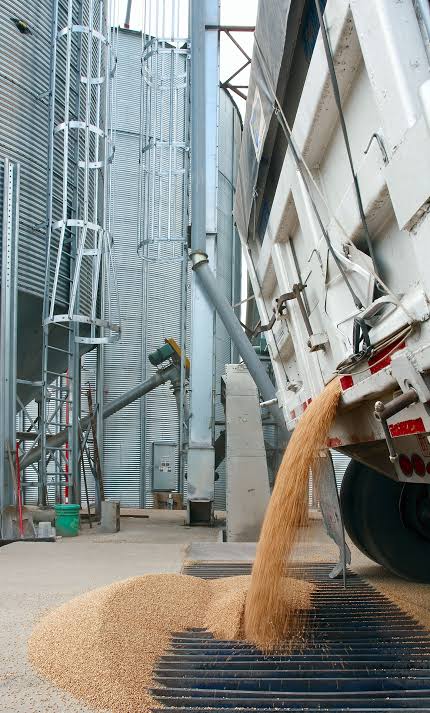
Grain silos face constant exposure to moisture, temperature swings, and airborne contaminants. The zinc coating on hot-dip galvanized steel sheets determines how long the structure resists corrosion before the base metal begins to rust. Coating mass is expressed as Z followed by a number: total grams of zinc per square metre on both sides of the sheet. Z180, Z275 and Z350 are the grades most often specified for agricultural storage. The difference is not cosmetic; it is the primary variable that sets service life.
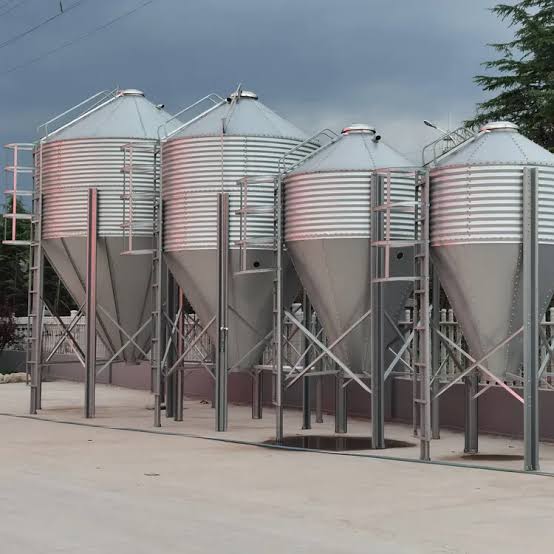
Zinc protects steel in two ways. It forms a barrier that slows the arrival of oxygen and water, and it acts as a sacrificial anode. When the coating is scratched, surrounding zinc corrodes preferentially and continues to shield the steel until the zinc is largely consumed. Laboratory and field data show that service life scales roughly linearly with coating thickness under the same atmospheric conditions. The American Galvanizers Association service-life charts, built from decades of outdoor exposure data and statistical modelling, confirm this linear relationship across rural, suburban, marine and industrial environments.
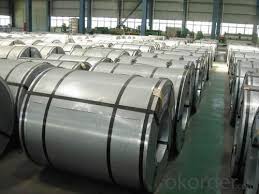
Approximate coating thicknesses (zinc density ≈ 7.14 g/cm³, equal distribution both sides) are:
- Z180 ≈ 12.6 µm per side
- Z275 ≈ 19.3 µm per side
- Z350 ≈ 24.5 µm per side
Corrosion rates of zinc itself vary sharply by location. ISO 9223 corrosivity categories and supporting field measurements give typical annual zinc loss:
- Rural / dry inland: 0.5–2 µm/year
- Suburban / moderate urban: 2–4 µm/year
- Coastal (within a few kilometres of salt water): 5–8 µm/year
- Industrial / high pollution: 8–12 µm/year
These rates come from long-term atmospheric exposure programmes summarised by the American Galvanizers Association, Galvanizers Association of Australia, and ISO 9223/ISO 14713.
Applying the rates yields practical lifespan ranges before significant red rust appears (coating largely depleted):
In dry inland farm settings such as the North China Plain or the Canadian Prairies, Z180 commonly delivers 15–25 years, Z275 25–40 years, and Z350 30–50 years. In humid subtropical zones (southern China, Southeast Asia rice regions) the same coatings drop to roughly 10–18, 15–25 and 20–35 years respectively. Near coastal grain terminals-examples include facilities within 5 km of the Mediterranean, the Gulf of Mexico or the South China Sea-Z180 may last only 3–8 years, Z275 8–15 years, and Z350 12–20 years.
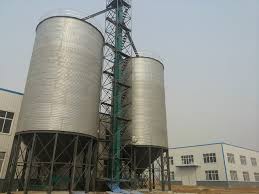
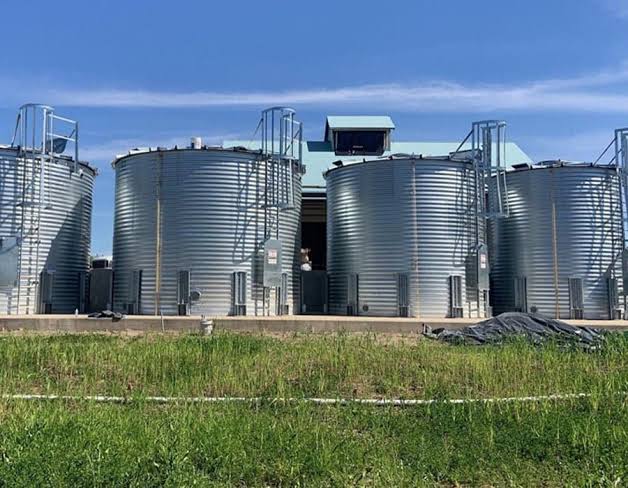
Silo manufacturers therefore match grade to site. Coban Machinery and other suppliers recommend Z275 as the default for most inland commercial grain depots because it balances cost and protection under moderate humidity. For coastal or high-rainfall tropical sites they move to Z350 or heavier (Z450–Z600). Field observations support the guidance: under-coated sheets in Mediterranean coastal greenhouses have shown visible rust within three years, while correctly specified Z275 or higher coatings on inland silos remain intact after two decades.
Procurement decisions should therefore start with a site corrosivity assessment-distance to sea, average relative humidity, presence of industrial emissions-rather than the lowest unit price. Request mill certificates showing actual coating mass (triple-spot test per EN 10346 or ASTM A653) and, if possible, independent magnetic-gauge verification on delivered coils. Over-specifying adds unnecessary cost; under-specifying multiplies replacement and grain-spoilage expenses within a few seasons. Matching Z180, Z275 or Z350 to the local environment remains the single most effective lever for extending silo service life. For technical selection guidance or material matching, contact our team or request a quote.


