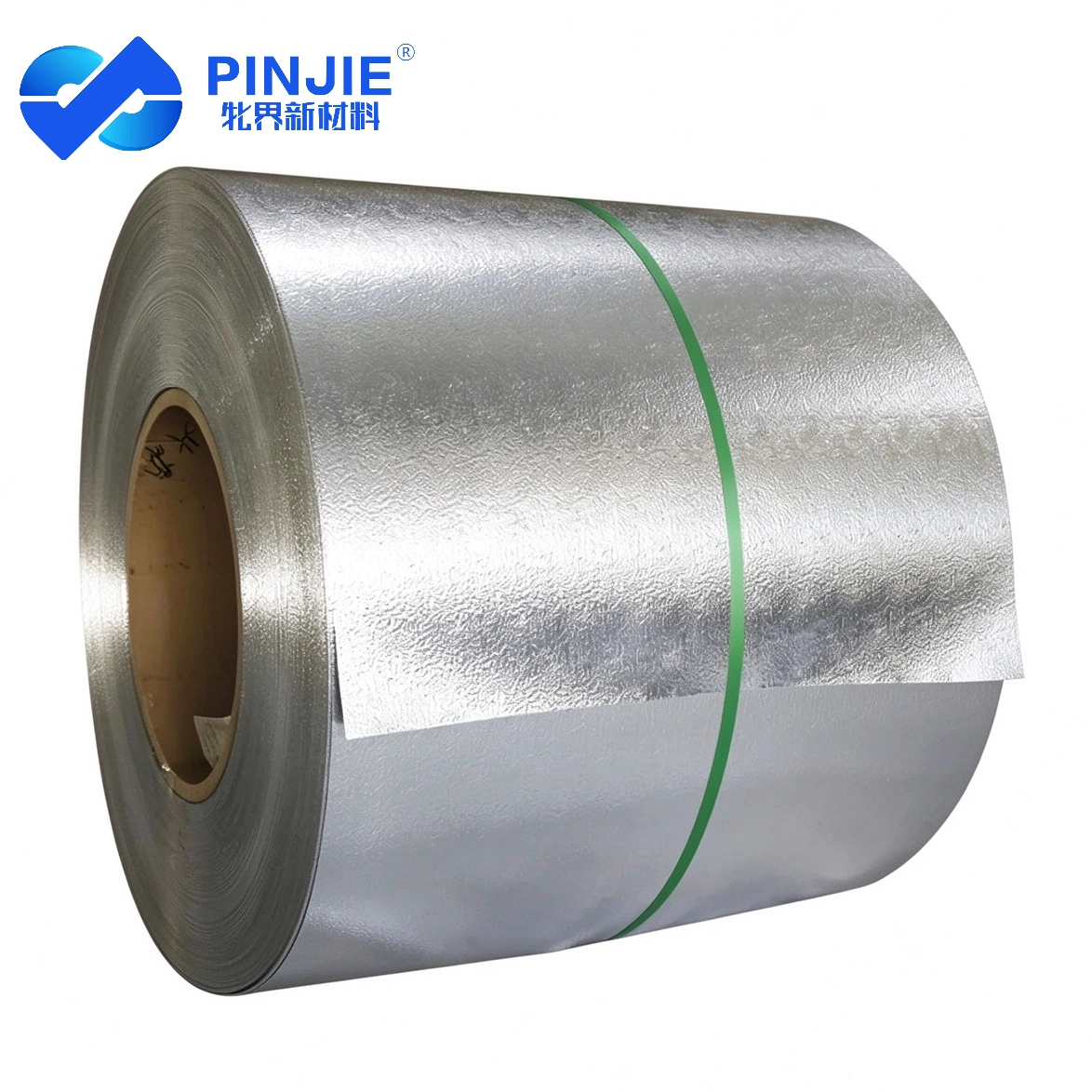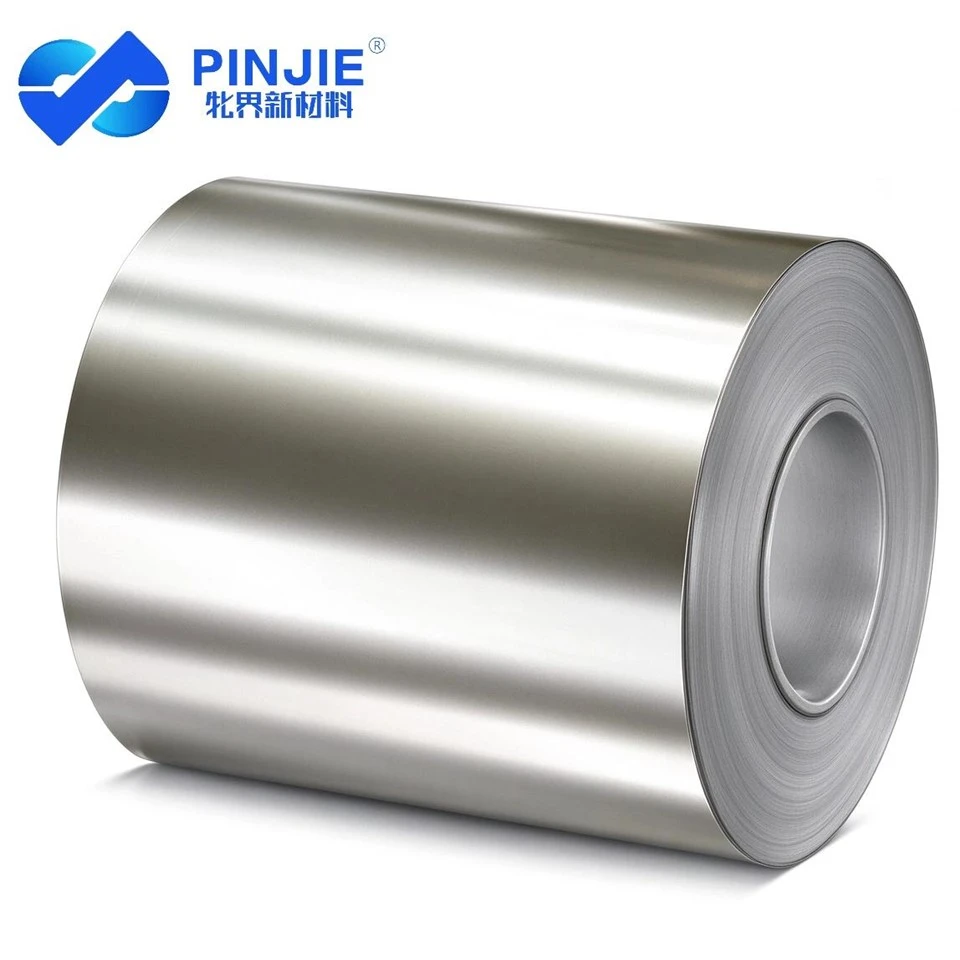
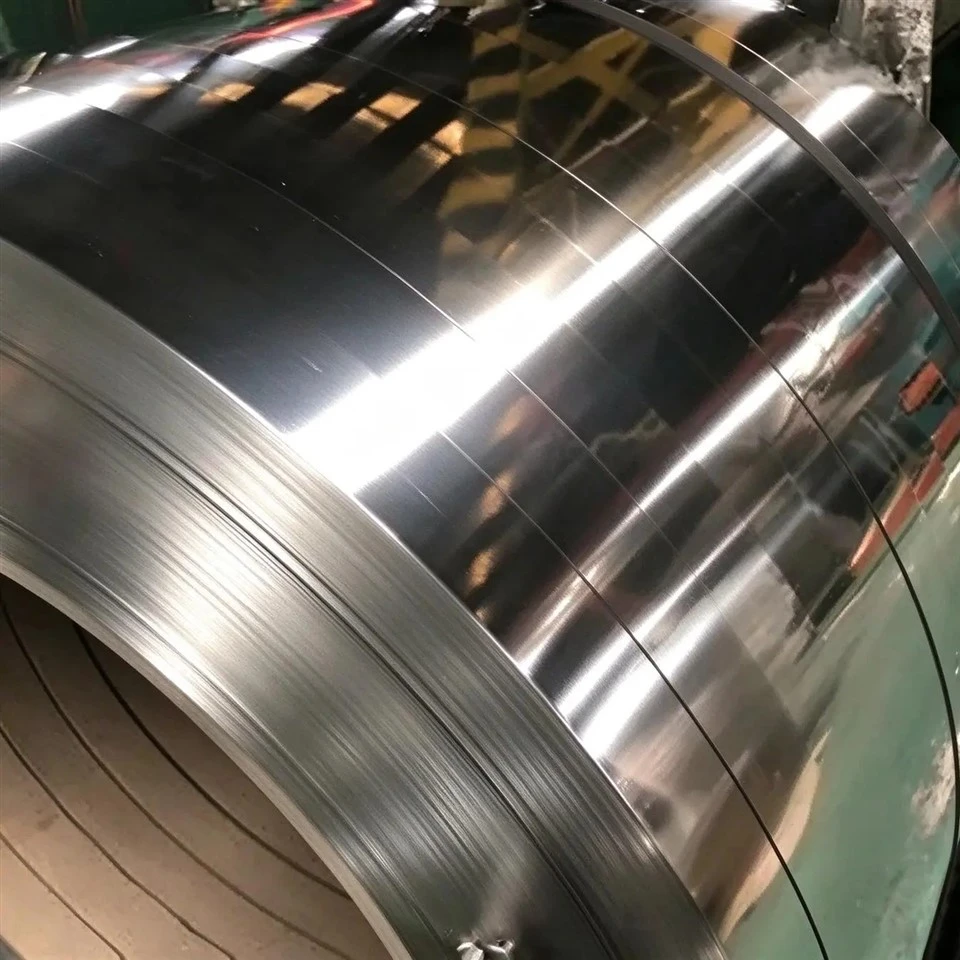
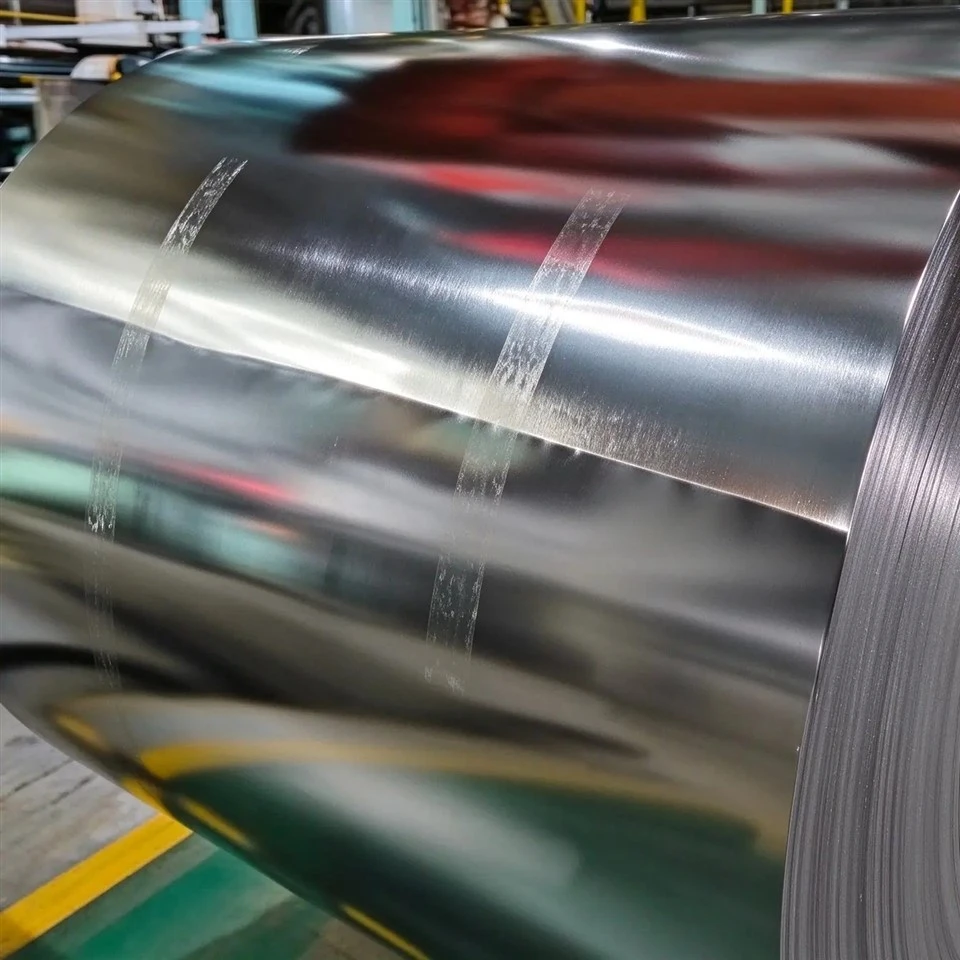
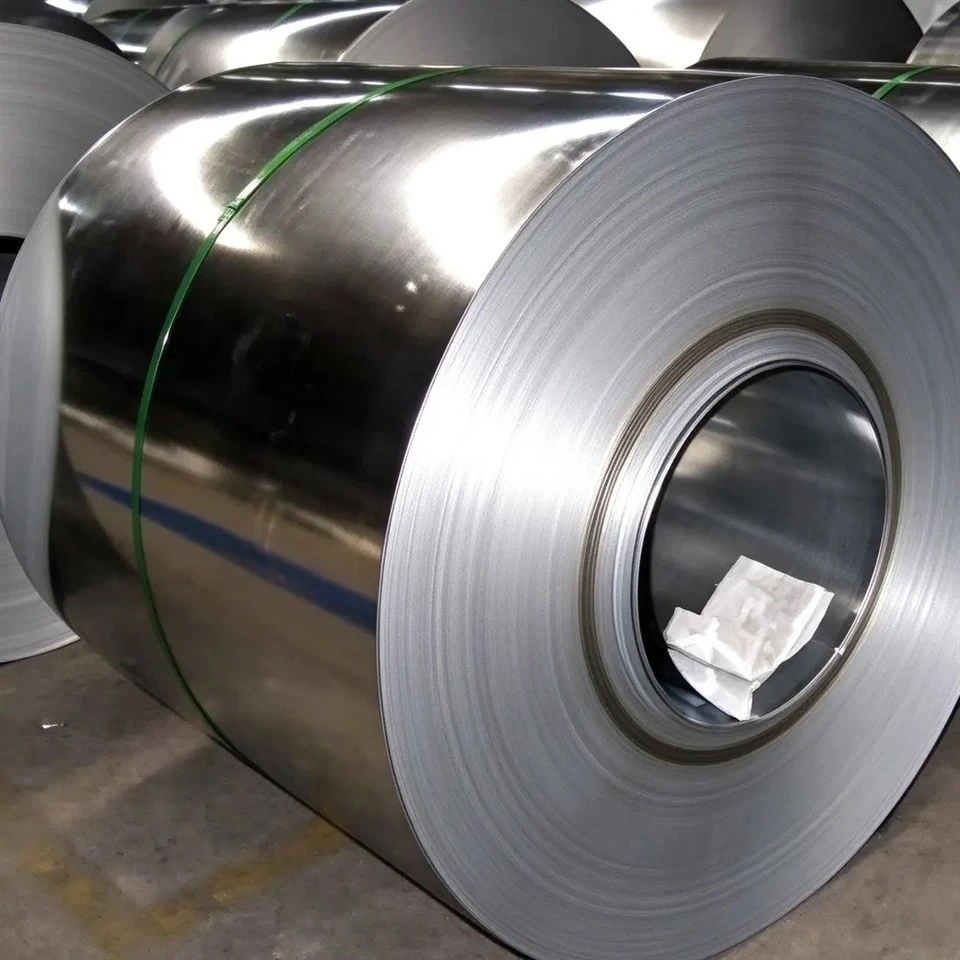
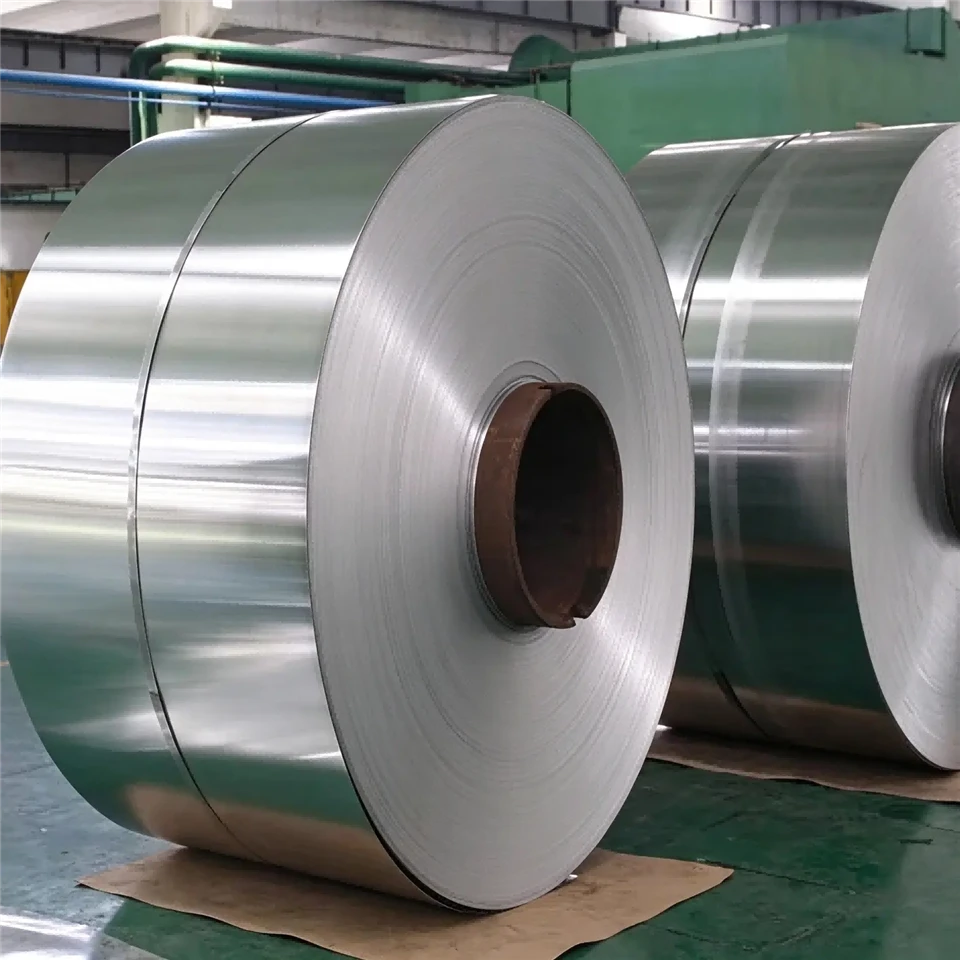
What Is Food Grade 201 Stainless Steel?
"Food grade" refers to compliance with a food-contact standard, not to a single alloy. For stainless steel in China, the applicable standard is GB 4806.9-2016 National Food Safety Standard – Metals and Metal Articles for Food Contact, which permits austenitic, austenitic-ferritic and ferritic stainless steels for the bodies of food-contact vessels, tools and equipment. 201 is austenitic, so it falls inside that scope provided the finished product meets the migration limits set out in the standard.
What this means in practice: food grade 201 is a compliant, cost-effective choice for food-contact parts that are not exposed to prolonged wet or acidic conditions. It is not a universal substitute for 304, and this page states the boundary explicitly.
Chemical Composition and Grade Equivalents
The composition ranges below are the acceptance basis for the three principal specification systems. Iron is the balance.
|
Element (wt %) |
UNS S20100 (ASTM A240) |
1.4372 X12CrMnNiN17-7-5 (EN 10088-2) |
12Cr17Mn6Ni5N (GB/T 3280) |
|
Carbon, max |
0.15 |
0.15 |
0.15 |
|
Silicon, max |
0.75 |
1.00 |
0.75 |
|
Manganese |
5.50–7.50 |
5.50–7.50 |
5.50–7.50 |
|
Phosphorus, max |
0.060 |
0.045 |
0.060 |
|
Sulfur, max |
0.030 |
0.015 |
0.030 |
|
Chromium |
16.00–18.00 |
16.00–18.00 |
16.00–18.00 |
|
Nickel |
3.50–5.50 |
3.50–5.50 |
3.50–5.50 |
|
Nitrogen, max |
0.25 |
0.05–0.25 |
0.25 |
|
Molybdenum |
Not specified |
Not specified |
Not specified |
Two points matter when comparing against 304. First, chromium is 16.00–18.00 % against 18.00–20.00 % for 304, so the passive film has less reserve after mechanical damage. Second, nickel is 3.50–5.50 % against roughly 8.00–10.50 %, which is the source of the cost saving and also of the reduced resistance to chloride attack. Manganese at 5.50–7.50 % keeps up to 0.25 % nitrogen in solution, which restores part of the strength lost with the nickel.
Where food grade 201 fits, and where it does not
The standard sets the compliance floor; the service environment sets the real limit. 201 performs well in dry kitchens, food storage shelving, serving trays, utensil racks and appliance panels where surfaces are wiped clean and chlorides are not present. It should not be selected for prolonged contact with acidic or salty food, frequent wet cleaning, or steam environments - for those duties we specify 304 or 316L. If 201 is used in a wet food environment, the surface must be smooth and easily cleaned, crevices must be eliminated, and the part needs a regular cleaning and inspection routine.
This position is deliberate: we would rather quote a more expensive grade than ship a part that corrodes in service.
Mechanical and Physical Properties
Minimum values for the annealed condition, per ASTM A240/A240M and ASTM A666:
|
Property |
Value |
|
Tensile strength, min |
655 MPa |
|
0.2 % offset yield strength, min |
310 MPa |
|
Elongation in 50 mm, min |
40 % |
|
Density |
7.8 g/cm³ |
|
Magnetic response |
Essentially non-magnetic when annealed; becomes slightly magnetic after cold working |
|
Surface options |
2B, BA, No. 4, hairline (on request) |
201 work-hardens faster than 304, so temper and strength are linked. If you are deep drawing or roll forming, specify the temper and confirm it with a trial sample before series production.
Applications for Food Grade 201
Typical end uses supplied from this range:
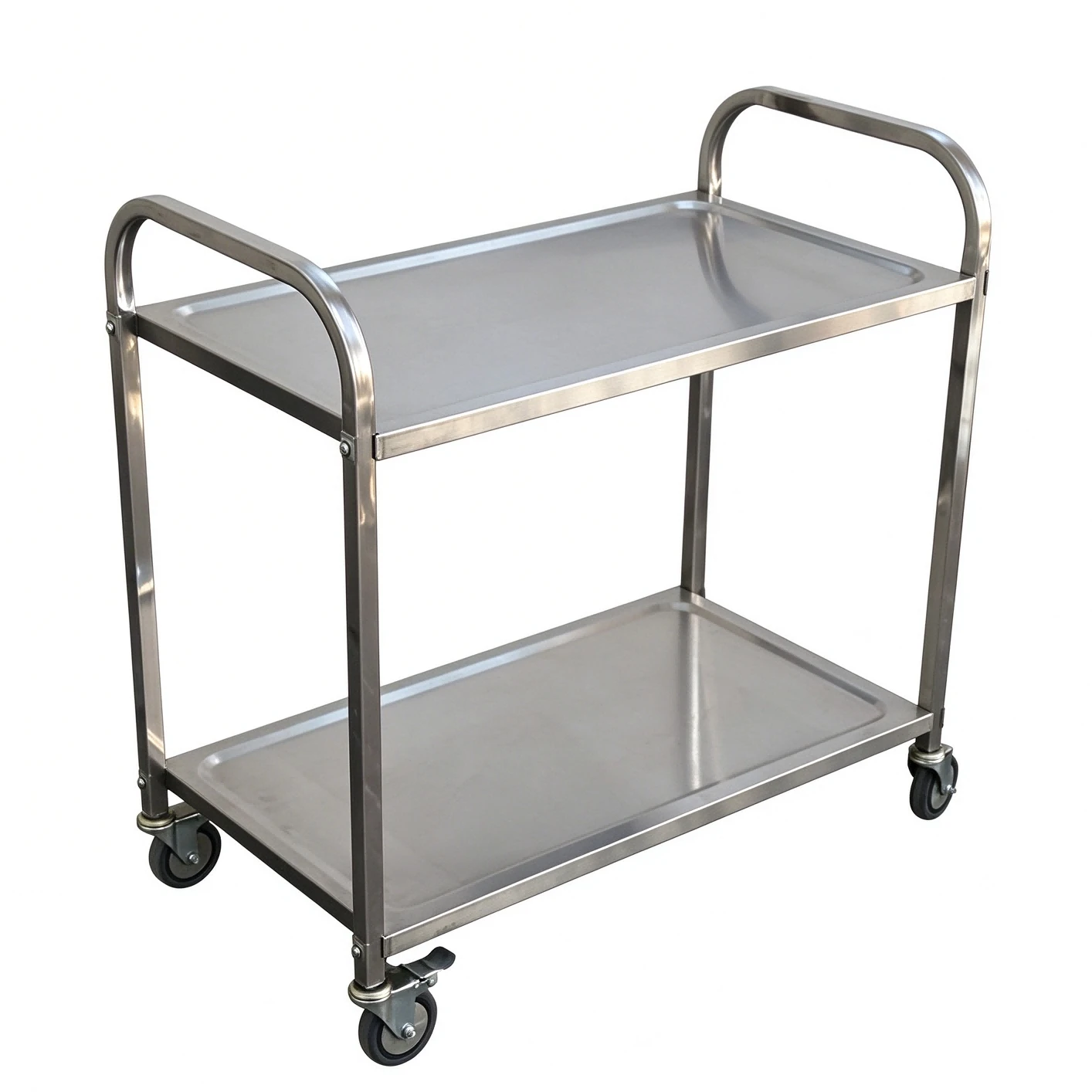
Food storage shelves and trolleys in dry kitchens
Serving trays, baking trays and utensil racks for low-corrosion duty
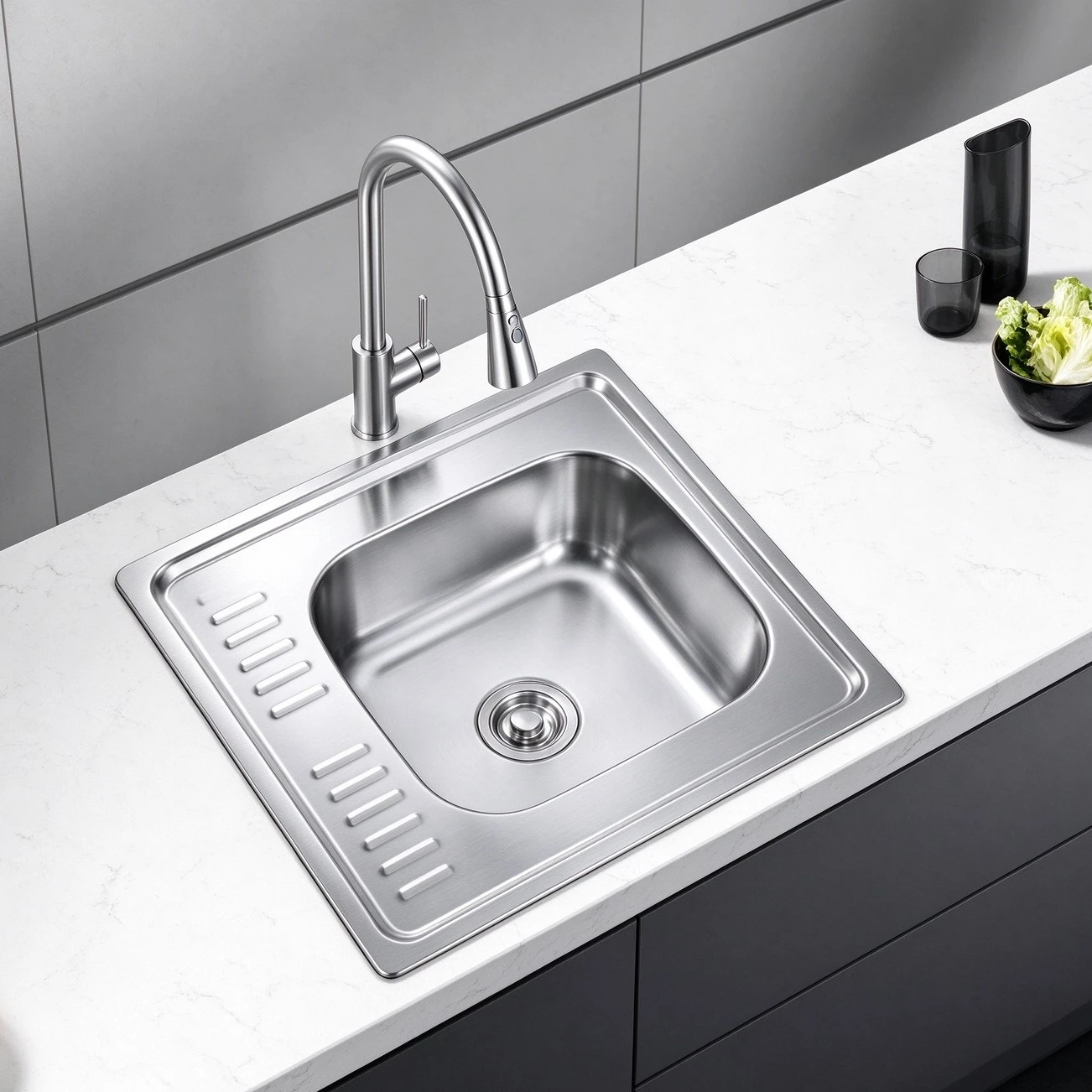
Sink and counter components in indoor kitchens
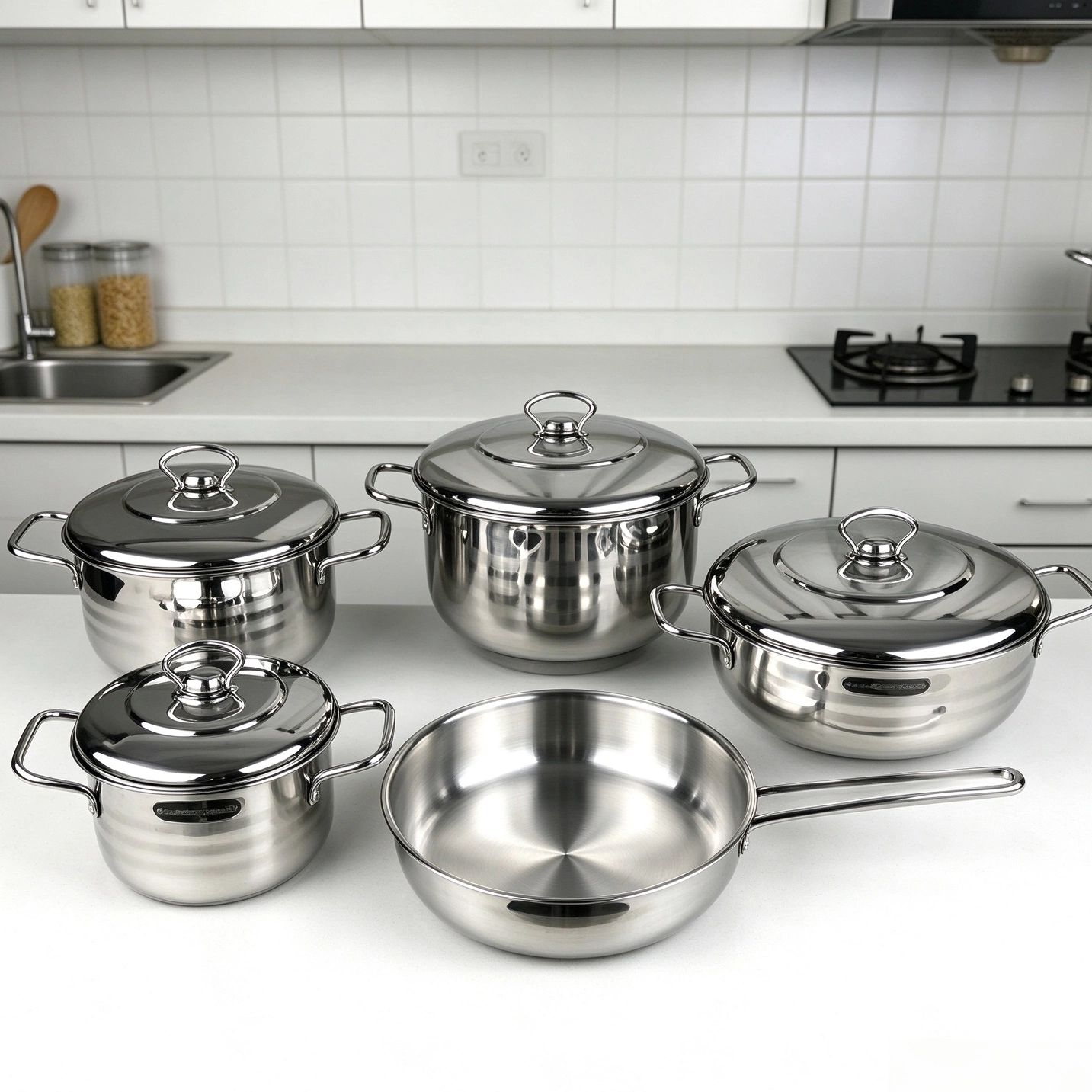
Household appliance panels and cookware bodies
Low-cost tableware and food contact fittings for price-sensitive markets
Not recommended: coastal and marine fittings, pool equipment, chemical process parts handling chlorides or acids, hot water systems above roughly 60 °C, and food surfaces subject to frequent wet cleaning.
Product Specifications
|
Parameter |
Range / Detail |
|
Thickness |
0.25 – 3.0mm |
|
Width |
40 – 1250mm |
|
Surface |
2B, BA (bright annealed) |
|
Temper |
Annealed, or cold-rolled tempers on request |
|
Edge |
Slit edge or deburred, per drawing |
|
Lead time |
7 – 15 days from deposit |
|
Packing |
Export seaworthy packing, wooden pallets with waterproof wrapping |
Sizes outside this range are quoted on request. Tell us the drawing or the application and we will confirm what can be rolled.
Quality Control and Documentation
Every coil is checked against the order before despatch:
Chemical analysis by optical emission spectrometry, matched to the heat number
Dimensional and surface inspection against agreed tolerances
Migration testing per GB 31604 series where food-contact compliance is specified
Positive material identification and heat traceability from coil to certificate
If a third-party inspection (SGS, BV, TÜV) is required, we arrange it at the buyer's nominated port or at the mill.
FAQ
Yes. Food grade 201 stainless steel is compliant with GB 4806.9-2016 for food-contact use when the service conditions match the grade - dry or mildly humid, without prolonged acidic or salty contact. Migration test reports are available for each heat.
The main differences are nickel content (3.50–5.50 % vs 8.00–10.50 %) and chromium content (16.00–18.00 % vs 18.00–20.00 %). 201 costs less and suits dry-service food contact; 304 is preferred for wet, acidic or high-chloride environments.
We do not recommend it. For prolonged contact with acidic or salty food, 304 or 316L is the safer specification.
Hot Tags: food grade 201 stainless steel coil & sheet, China food grade 201 stainless steel coil & sheet manufacturers, suppliers, factory