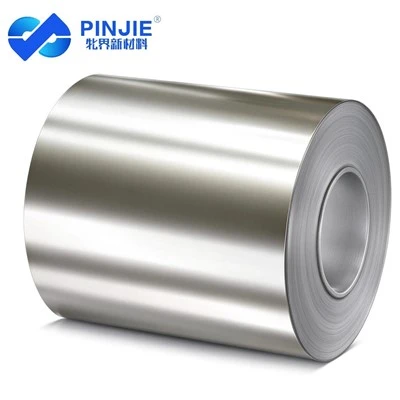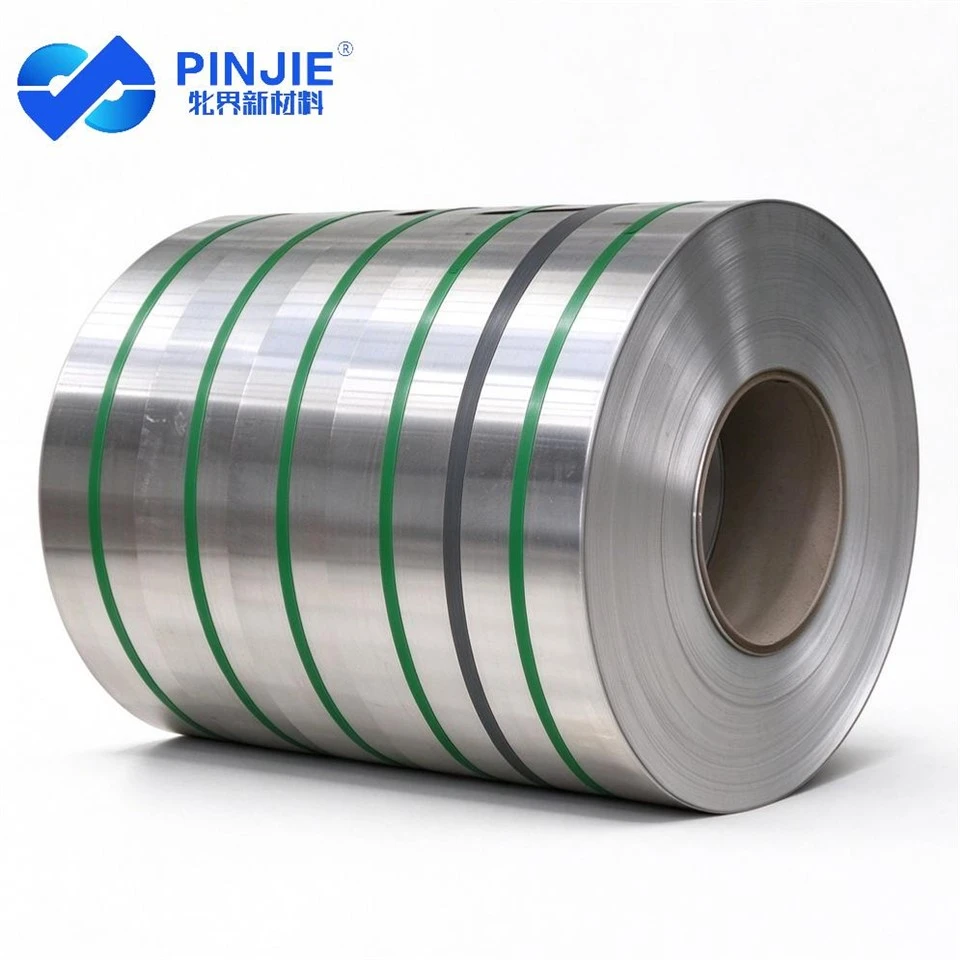
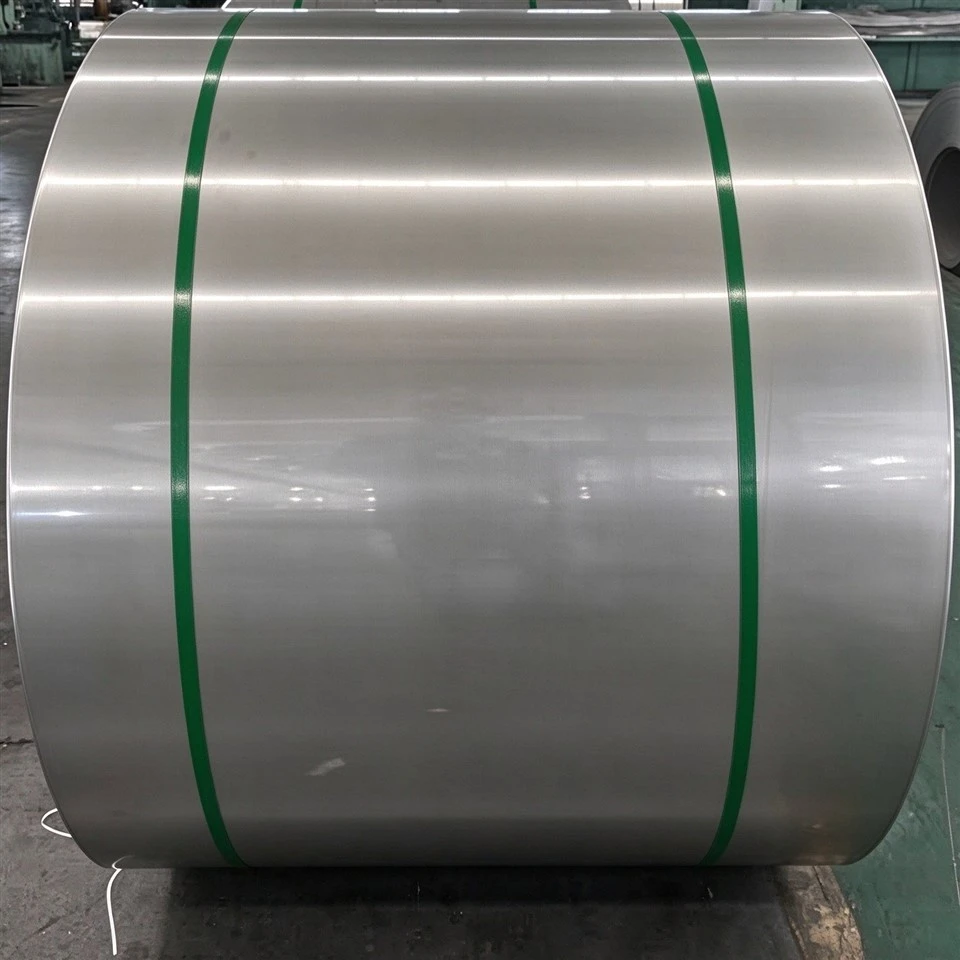
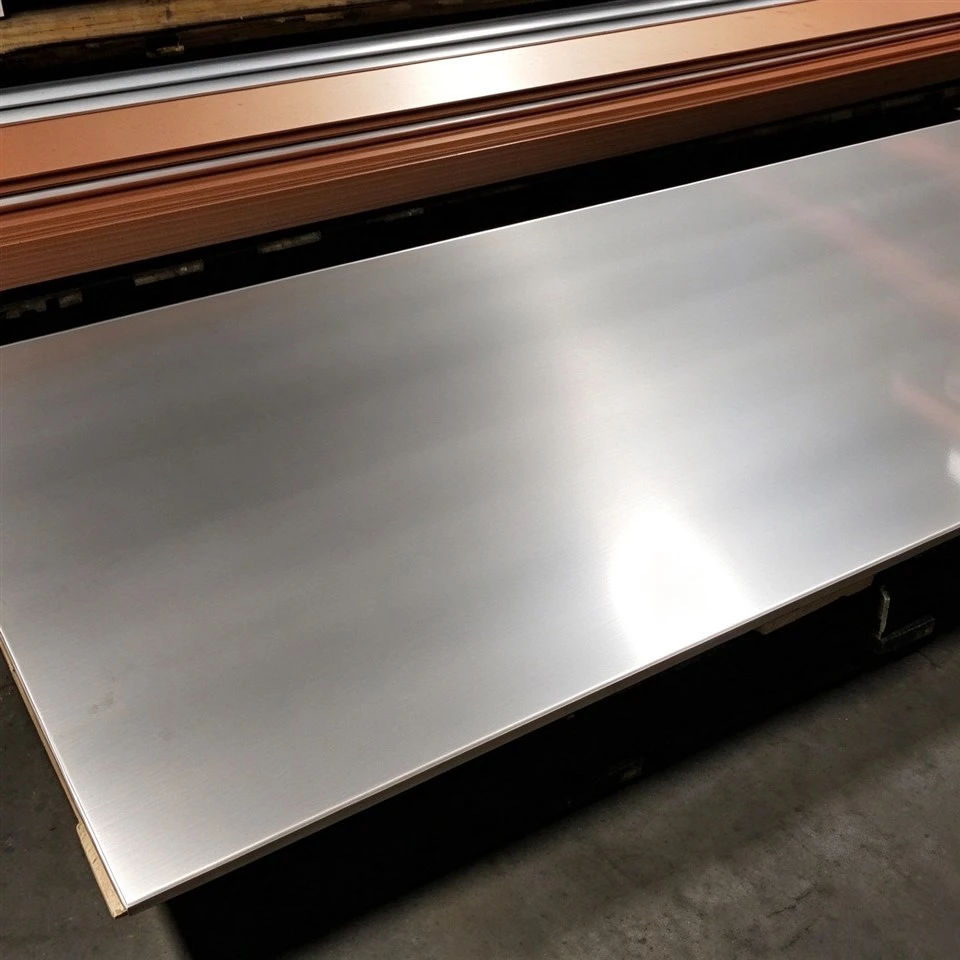
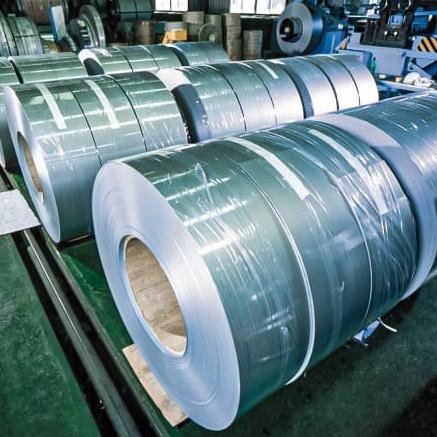
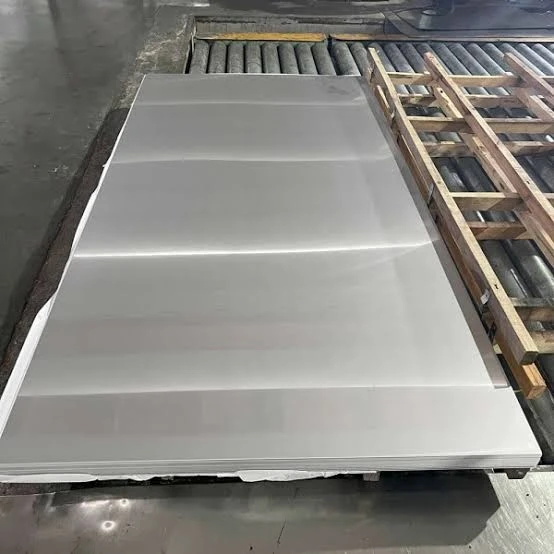
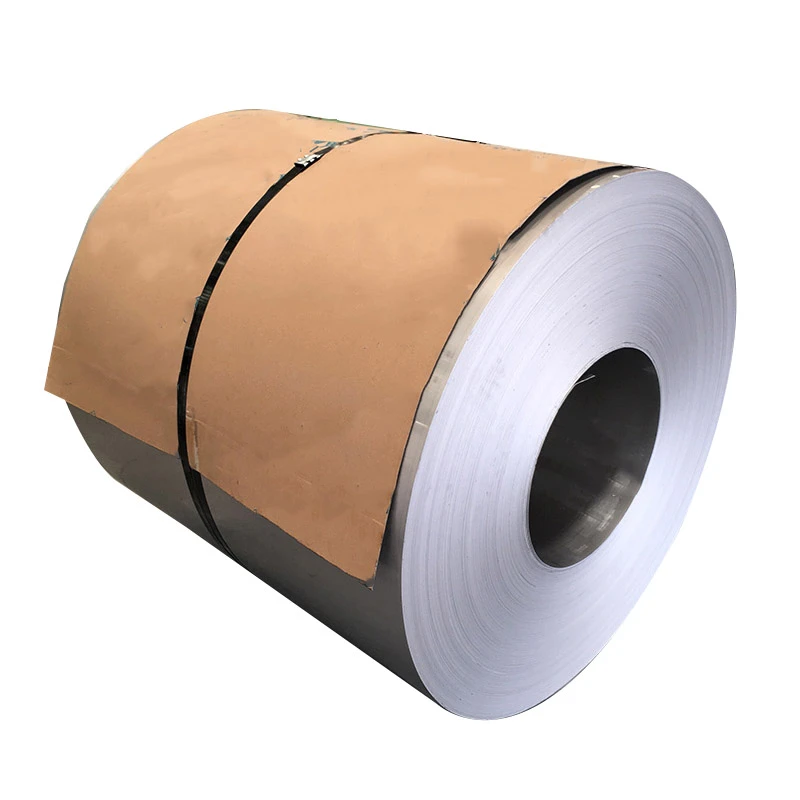
The 2B surface, and why it matters for food contact
2B is the workhorse finish for cold-rolled sheet: the coil is cold rolled, annealed, pickled and skin-passed to a smooth, fairly bright surface. For food-contact parts, surface finish is not cosmetics. A smooth 2B surface gives bacteria fewer places to hide, survives repeated wiping with neutral detergents, and is easier to keep visibly clean during inspection. If your application needs a quantified roughness limit, we can agree a maximum Ra with you and hold it in production - say so in the enquiry.
430 vs 304 vs 201: the comparison buyers actually ask for
|
|
430 (2B) |
304 |
201 |
|
Structure |
Ferritic |
Austenitic |
Austenitic |
|
Magnetic |
Yes |
No |
Essentially no |
|
Nickel |
≤ 0.75 % |
8.00–10.50 % |
3.50–5.50 % |
|
Relative cost |
Low, nickel-independent |
High |
Lowest |
|
Deep drawing |
Limited |
Excellent |
Good, work-hardens fast |
|
Chloride stress corrosion cracking |
Not a concern |
Possible in warm service |
More vulnerable than 304 |
|
Typical food-contact use |
Bakeware, oven liners, dishwasher interiors, food prep tables |
Commercial kitchen equipment, food processing plant |
Trays, racks, low-cost tableware, dry kitchens |
The short version: 201 buys you the lowest price and the smallest corrosion margin. 304 is the reference grade when wet or acidic food is in the picture. 430 sits between them - it costs closer to 201 than to 304, yet it is the grade Western equipment builders actually specify for ovens, dishwashers and bakery lines.
Where 430 earns its place
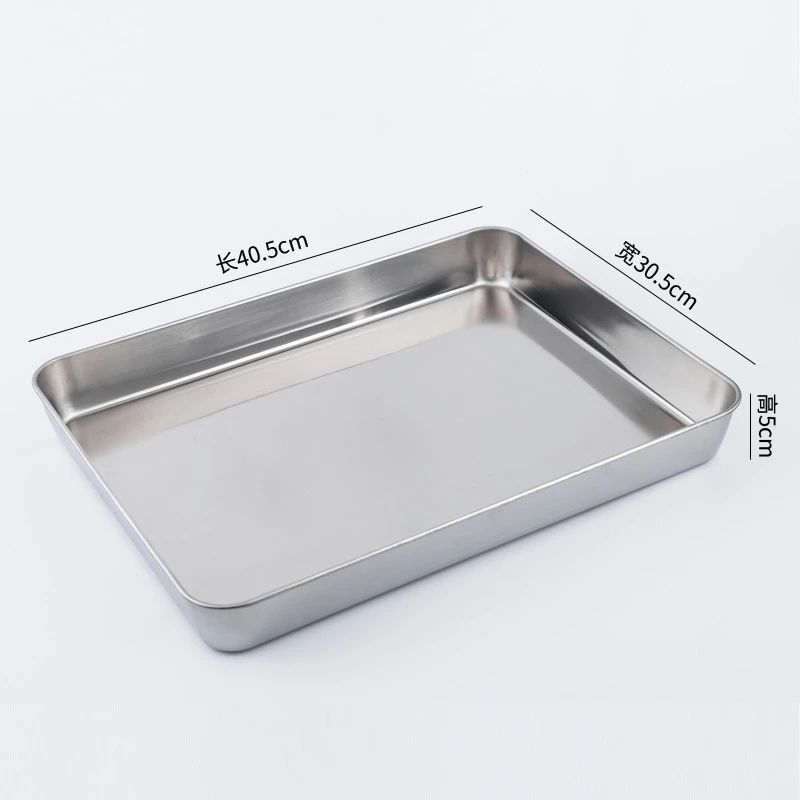
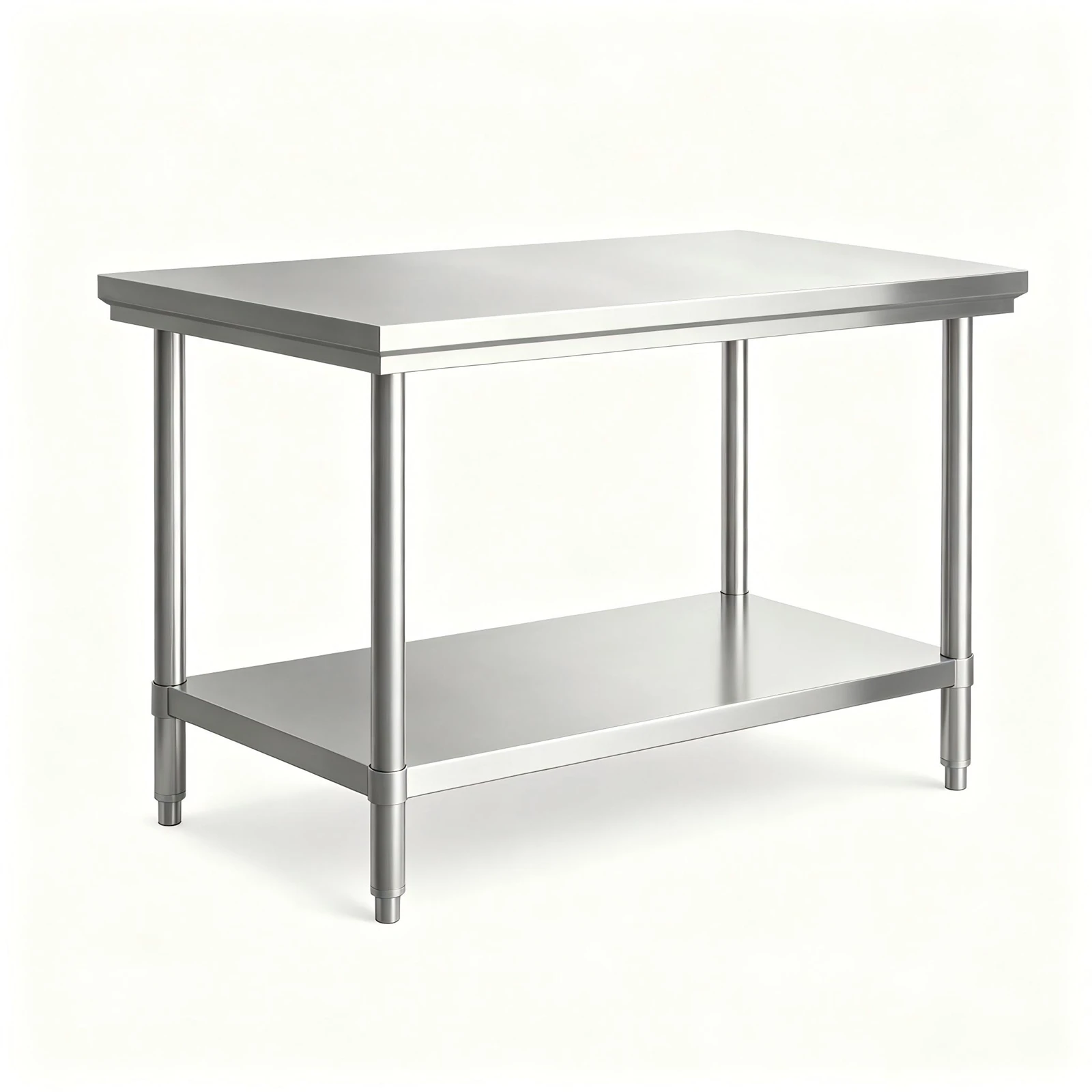
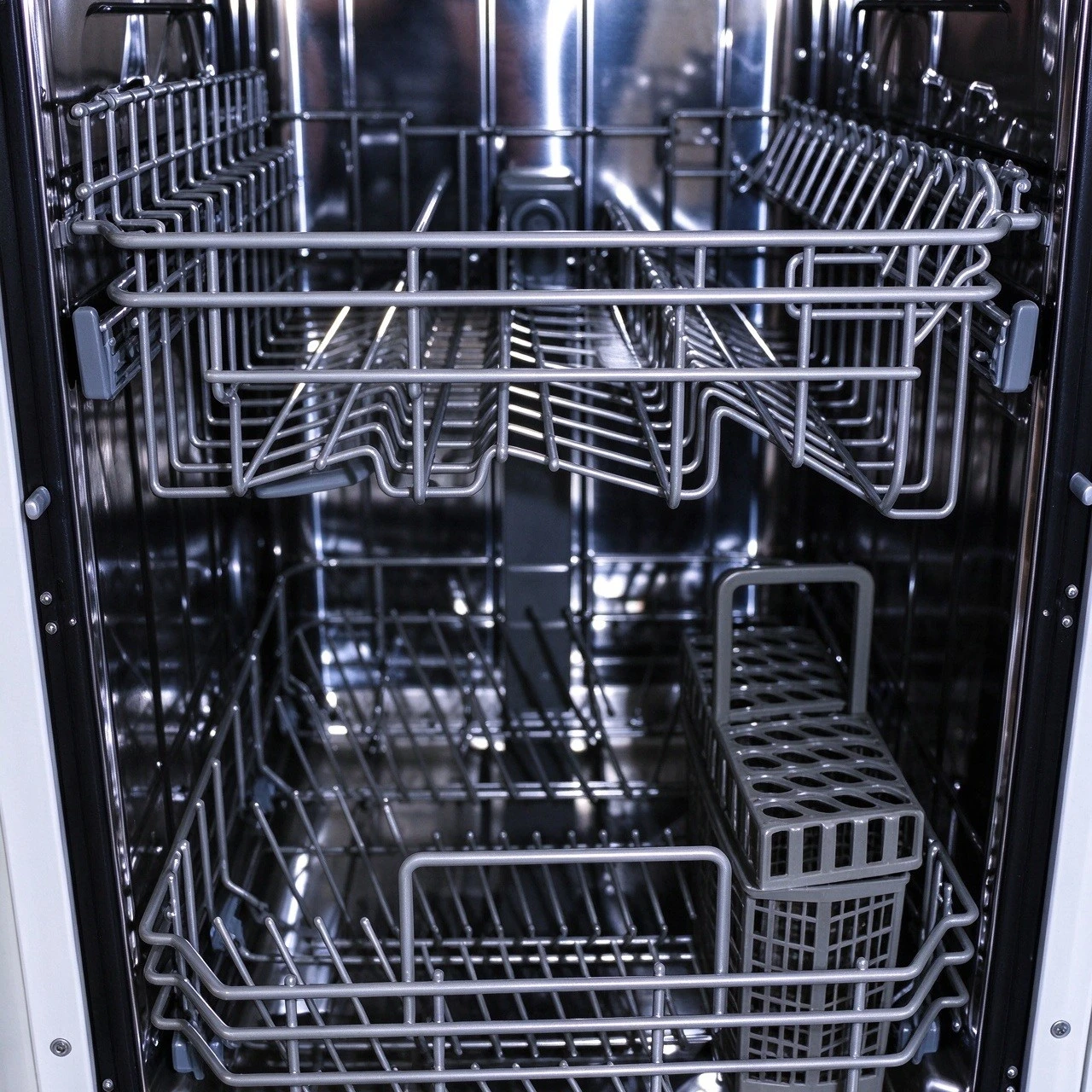
Parts we regularly supply in food grade 430: baking trays and roasting pans, oven interior liners, dishwasher inner cabinets and racks, food preparation worktables, cooktop and range hood panels, sink basins for indoor kitchens, and induction-compatible cookware bodies.
Where we stop recommending it: coastal and marine fittings, process equipment handling chlorides or strong acids, deep-drawn parts with severe reduction ratios, and food surfaces that sit wet or acidic for long periods. For those, quote 304 or 316L - and if you send us those drawings, we will tell you so rather than book the order.
Specifications and supply terms
|
Parameter |
Range / Detail |
|
Thickness |
0.25 – 1.0 mm |
|
Width |
40 – 1250 mm |
|
Surface |
2B standard; BA, No. 4, hairline on request |
|
Temper |
Annealed standard; cold-rolled tempers on request |
|
Edge |
Slit or deburred, per drawing |
|
Lead time |
7 – 15 days from deposit |
|
Packing |
Seaworthy export packing, wooden pallets, waterproof wrapping |
|
Documents |
Mill certificate, EN 10204 3.1, migration test report, packing list, invoice |
Sizes outside this range are quoted on request. If the drawing does not suit 430, you will hear it from us before you hear it from your production line.
FAQ
Yes. Ferritic stainless steel is explicitly permitted for food-contact vessels, tools and equipment under clause 4.1.3 of GB 4806.9-2016, and 430 is widely used in Western food equipment - oven liners, dishwasher interiors, bakeware and food prep tables. Migration test reports are available for each heat.
Yes, strongly. Unlike austenitic grades, 430 is ferromagnetic. In food plants that means parts can be recovered by magnetic separators, and 430 cookware works on induction cooktops.
For bakeware, oven and appliance parts, and dry or mildly wet food contact, 430 gives you food-grade compliance at lower, nickel-independent cost. For deep-drawn parts or surfaces in prolonged acidic or high-chloride contact, 304 is the correct grade.
Only to a limited degree. Ferritic grades do not take severe drawing like 304; parts with deep or complex geometry should be reviewed against the drawing before the grade is fixed.
The minimum order quantity is one container. For an initial trial production run, we can negotiate a smaller quantity for a full test batch.
Hot Tags: food grade 430 stainless steel (2b) sheet & coil, China food grade 430 stainless steel (2b) sheet & coil manufacturers, suppliers, factory