

Key takeaways
Galvanized steel is carbon steel with a zinc layer fused at the molecular level, protecting through a physical barrier plus sacrificial corrosion.
Service life follows coating weight and climate: Z275 suits mild inland farms (15–20 years); Z350 or Z450 fits humid, coastal or fertilizer-heavy sites (25–30 years).
For most inland farms, galvanized steel beats stainless steel on cost; good suppliers back orders with test reports.
The questions every farm buyer asks
Every week, growers planning steel farm builds ask the same four questions: what is galvanized steel, does it rust, can it be welded, and how does it compare with stainless steel? The answers decide how long a structure lasts and what it truly costs. Our hot-dip galvanized coil has gone into more than 5,000 farm projects across Africa, Southeast Asia and Latin America, and our engineers have watched growers pay twice for steel that failed within a few years - once for the build, once for the replacement. This guide answers those questions from real project experience, including a documented greenhouse project in Nigeria, and closes with supplier checks that apply to any farm.
What is galvanized steel, and why it earns its place on a farm
Galvanized steel is carbon steel protected by a zinc layer applied through hot-dip galvanizing. The process fuses zinc to the steel at the molecular level, creating a metallurgical bond rather than a paint film. That bond protects twice: it forms a physical barrier against moisture, fertilizer chemicals and salt spray, and it works sacrificially - if the coating is scratched, the surrounding zinc corrodes first and keeps the steel intact.
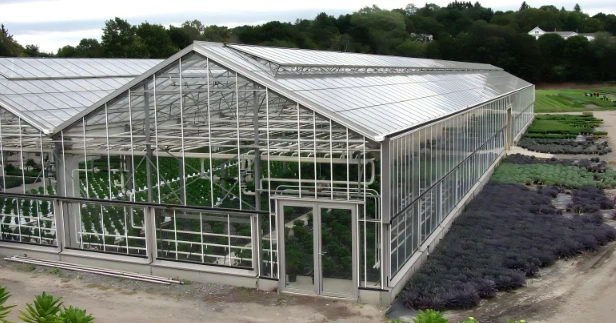
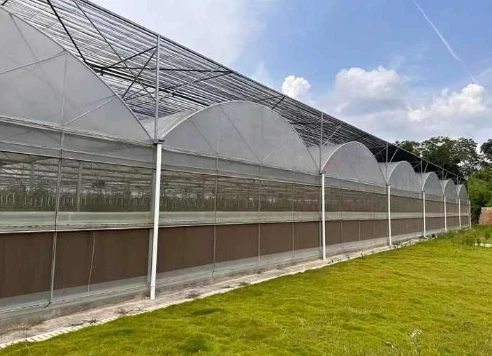
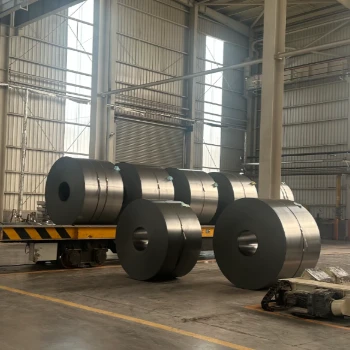
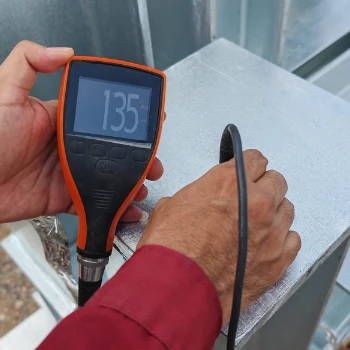
The same principle carries into every farm application built from our coil - fence posts, raised garden beds, irrigation pipe and arched greenhouse frames. As a producer and trader of galvanized coil, we supply material to ASTM A653 and EN 10346 specifications, with mill test reports on every order; fabricated structural parts follow the equivalent hot-dip standard, ISO 1461. Coating weight is quoted in grams per square meter: a Z275 grade means roughly 275 g/m² across both faces, or about 20–25 µm of zinc per side. Ask every supplier for the mill test report (MTR) - it should list zinc coating weight, base steel grade, width and thickness - and check coating with a magnetic thickness gauge on arrival, a five-minute test that catches under-specified material early.
Does galvanized steel rust? Match the coating to your climate
Eventually, yes - but on a correctly specified structure, not within its working life. Rust forms only when the entire zinc layer is consumed, and how fast depends on coating weight and local corrosivity (classifiable under ISO 9223). For inland farms with mild rainfall, Z275 typically holds up 15–20 years. For coastal sites with heavy salt spray, humid tropical conditions or regular fertilizer exposure, upgrade to Z350 or Z450 - the same structure then reaches 25–30 years. A light white powder on new material, known as white rust, is cosmetic and washes away; red rust on the base steel is the signal that matters.
Galvanized steel fence posts for field and livestock enclosures
Zinc-coated posts escape the two weaknesses of timber: rot and insect attack, which typically kill wood posts within two to three years in humid climates. Coil supplied for post fabrication carries a coating matched to the site, and pre-drilled or punched holes do not compromise corrosion protection. Posts are typically cut to 1.8 m to 3 m, with longer custom runs on request. In wind-prone areas (sustained winds up to 120 km/h), cross bracing and 1.5 m ground screw anchors hold the entire line in place.

Galvanized steel raised garden beds for organic and market farming
The recurring question is whether zinc is safe for food crops. It is: zinc is a natural plant micronutrient, and leaching from a galvanized bed stays far below international food-safety thresholds at normal soil pH (5.5–7.5). Growers with strongly acidic soil can add a food-safe fabric liner as an extra safeguard. Metal beds outlast wooden versions by three to five times and need almost no annual maintenance.

Galvanized steel pipe for irrigation and utility lines
Hot-dip galvanized pipe handles irrigation networks, livestock drinking-water supply and barn utility lines without the corrosion that fertilizer runoff, animal waste and constant water contact cause to untreated steel. Its rigidity also holds through tropical heat and high-altitude winters - a common failure point with plastic piping. Coil is supplied in the widths, thicknesses and coating grades pipe fabricators need, reducing waste and lead time.
Galvanized steel vs stainless steel: what farmers should actually compare
Galvanized steel typically costs one-third to half as much as equivalent stainless steel - the decisive factor for large builds. Stainless steel forms a self-healing chromium oxide barrier, and grade 316 genuinely outperforms zinc in extreme environments such as coastal aquaculture or dairy washing stations; for most inland farms, that premium buys little. Z350 galvanized serves a standard rural farm for 15–20 years, while 316 stainless can hold 50+ years under heavy salt exposure. One detail matters when mixing materials: stainless fasteners driven into galvanized parts can set up galvanic corrosion - use coated or galvanized fasteners, or isolate the two metals.
Can you weld galvanized steel? Yes - with the right preparation
Welding zinc-coated steel is possible, but skipping preparation produces weak joints and toxic fumes. Strip the zinc coating 2.5–10 cm back from every joint; heat vaporizes residual zinc into zinc oxide fumes and causes spatter, porosity and cracks. Work outdoors or under industrial fume extraction and wear P100-rated respirators - standard dust masks do not block zinc oxide. After the weld cools, brush zinc-rich cold galvanizing paint over the seam, because welding burns away the local zinc layer. Most farm buyers never weld at all: frames, posts and pipe are fabricated from coil by specialist workshops with pre-drilled connection holes, removing most on-site welding.

Four supplier checks that protect your order
Run these before any bulk order:
coil-specific paperwork - ASTM A653 / EN 10346 certificates and mill test reports showing zinc weight, steel grade, width and thickness; customized coil in the coating grades (Z180–Z450), widths and thicknesses your production needs; container loading, customs and last-mile delivery for rural regions; free technical guidance on coating and grade selection, plus round-the-clock after-sales support.
Frequently asked questions
Only after the zinc layer is fully consumed. Z275 grades last 15–20 years inland; Z350 and Z450 extend service life to 25–30 years in humid, coastal or fertilizer-heavy environments.
Yes. Zinc is a beneficial trace nutrient for plants, and leaching sits far below international food-safety thresholds at normal soil pH. A geotextile liner is an optional safeguard for acidic beds.
Galvanized steel is the practical choice for nearly all commercial greenhouse builds. Consider stainless only within about 5 km of the coastline or where corrosive livestock waste is handled regularly.

Get a custom galvanized steel solution
Whether your project uses galvanized coil for fence posts, irrigation pipe, raised beds or multi-span greenhouse frames, our engineering team prepares a free, no-obligation selection plan and a wholesale quote. Not sure which coating your climate needs? Send your location and build type - an engineer replies within one business day.


