

Selecting galvanized steel for large-scale grain silos demands careful attention to capacity, structural form, and long-term corrosion performance. Medium and large farm or regional storage centers often handle thousands of tons of wheat, maize, or rice, where early material choices determine both safety and lifetime cost.
Matching Structure to Operational Needs
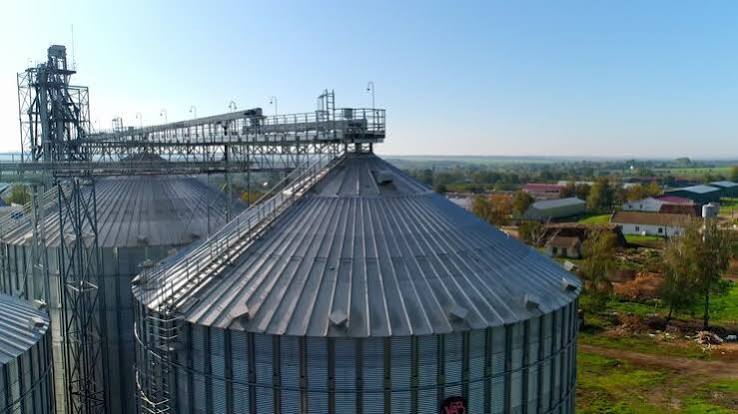
Cylindrical bolted corrugated silos remain the most common choice for bulk grain because the corrugation raises section modulus and resists hoop stress from stored material. Wall panels typically range from 1.0 mm to 4.0 mm, with thicker plates reserved for the lower tiers where lateral pressure peaks. For a 1,000-ton silo the middle and lower walls often sit between 1.5 mm and 3.0 mm; 5,000-ton and larger units may require 2.0–4.0 mm or additional external stiffeners. Flat-bottom designs suit long-term static storage and allow full clean-out with sweep augers, while hopper-bottom versions speed discharge for high-turnover commercial depots. Space-frame or portal-frame steel warehouses serve as complementary large-span covered storage when flexibility of layout matters more than vertical density. These distinctions draw from engineering references used by Chinese and international silo fabricators, including capacity-to-thickness tables published by Coban Machinery.
Zinc Coating Selection by Climate and Exposure
Corrosion protection depends on total zinc mass rather than plate thickness alone. Z275 (275 g/m² total, roughly 19 µm per side) works adequately for dry inland farms. Z450 (approximately 31.5 µm per side) is frequently specified for rainy inland commercial depots or humid tropical zones. Coastal terminals and high-salt environments benefit from Z600 (around 42 µm per side). These figures follow standard density calculations for zinc (≈7.14 g/cm³) and appear consistently in comparative guides from silo manufacturers. Independent observations note that zinc loss averages about 0.5 µm per year in low-pollution rural atmospheres, so thicker coatings extend service life accordingly. Hot-dip galvanizing, rather than electro-galvanizing, forms the metallurgical bond needed for outdoor exposure lasting 15–30 years under typical conditions.
Geographic and Project Context
In China's northeast cold regions, designs must accommodate heavy snow loads and deeper foundations, often using higher-strength grades such as Q345 alongside adequate zinc. Southeast coastal projects face typhoon wind pressures that can require 10–20 % thicker walls and denser bolting. Northwest arid sites prioritize abrasion resistance against sand, while southwest rainy zones emphasize roof drainage slopes of at least 3–5 % and sealed joints to limit condensation. Similar logic applies elsewhere: Mediterranean coastal facilities, for instance, have shown accelerated zinc consumption, reinforcing the need for heavier coatings. Sino-Galvanized project experience and regional Chinese structural codes (GB 50009 for loads, GB 50017 for steel design) supply the practical background for these adjustments.
Procurement Approach for Medium-to-Large Projects
Begin by fixing non-negotiable parameters-hot-dip process, minimum zinc mass matched to site corrosivity, base steel meeting commercial or higher-strength grades, and dimensional tolerances verified by laser or certified gauges. Request multiple quotations but treat any offer more than about 15 % below the cluster as a warning flag for compromised coating or scrap-based feedstock. Insist on sample testing with magnetic thickness gauges and, where feasible, third-party laboratory confirmation of coating mass and tensile properties. Contracts should embed measurable acceptance criteria and clear remedies. Manufacturers that operate their own coating lines and maintain batch records typically deliver more consistent results than pure trading intermediaries.
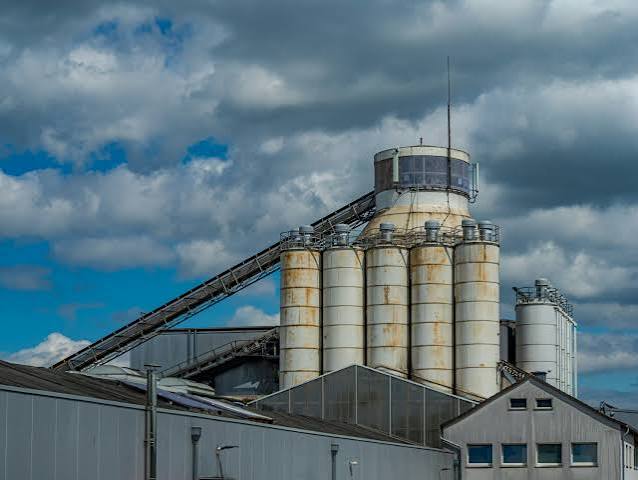
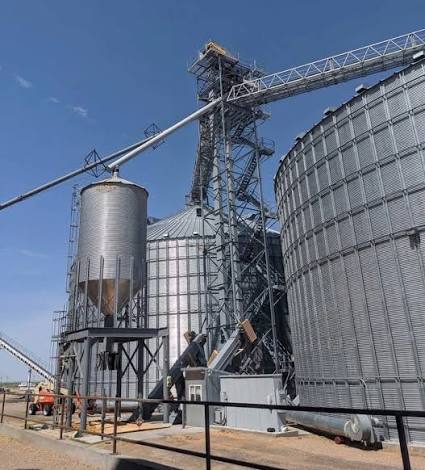
When these elements are aligned-correct structural type for capacity and flow, zinc grade calibrated to local climate, and verified material quality-large-scale galvanized silos deliver reliable storage with service lives measured in decades rather than years. The data and regional patterns cited above come primarily from published silo engineering tables (Coban Machinery), manufacturer specifications aligned with ASTM A653 / EN 10346 / GB/T 2518, and observed performance in Chinese and Mediterranean agricultural projects. For project-specific guidance or samples, contact us.


