

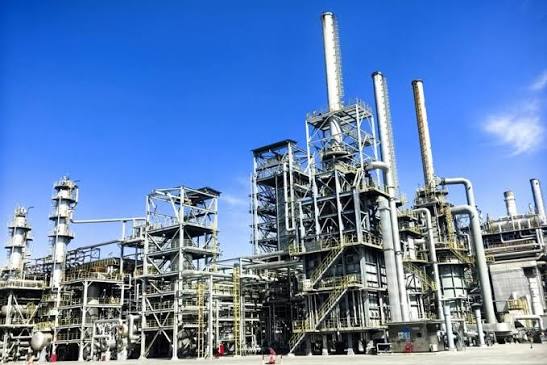
The dominant challenge is the dual load of elevated temperature and aggressive chemistry. Process piping and vessel supports near crackers operate under thermal cycling that promotes oxidation scale, while external structural steel endures UV-driven coating breakdown and chloride pitting. Methodology therefore starts with isocorrosion data and project-specific SAMSS specifications rather than generic catalogues. For high-temperature structural frames and secondary supports, hot-dip galvanized or galvalume substrates with heat-stable organic topcoats provide sacrificial protection plus a thermal barrier. Where stainless performance is required-heat-exchanger shells, dilute-acid lines, or coastal cladding-316L grades (2–3 % molybdenum) deliver the necessary pitting resistance; prepainted versions further extend atmospheric durability under Jubail's high-UV regime. Nano-ceramic or high-build epoxy systems on galvanized coil have demonstrated multi-year adhesion in similar Gulf Coast and Chinese coastal petrochemical yards when dry-film thickness and surface preparation meet Sa 2.5 criteria.
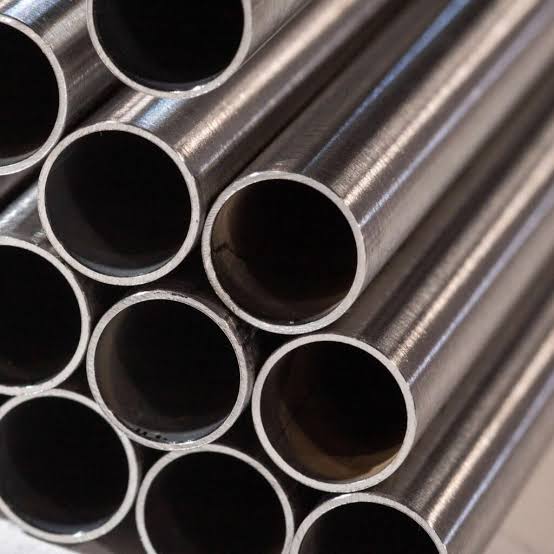
Matching proceeds by process zone. Cracker and furnace-adjacent structures receive heat-resistant coated galvanized sections; utility corridors and secondary containment use prepainted galvanized or 316L coil for splash and vapor resistance; large-volume cladding and roofing favor galvalume-based products that combine reflectivity with corrosion endurance. Bulk delivery to these Saudi projects follows a documented acceptance sequence: mill certificates confirming chemical composition and mechanical properties, third-party HIC or salt-spray verification where specified, dimensional inspection on arrival, and on-site holiday testing of coated surfaces before erection. Chinese suppliers have already moved multi-thousand-ton parcels of seamless pipe, low-temperature plate, and coated coil into Jubail under this protocol, reducing European lead times while meeting Aramco quality gates.
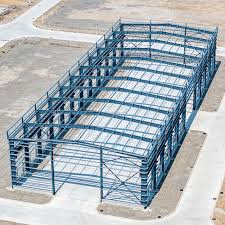
Localization trends reinforce the approach. New Saudi rolling capacity and Asian entrants certified for Aramco service are shortening supply chains, yet the performance envelope remains set by the same high-temperature, high-chloride realities that field inspections continue to document. Selecting the correct coated or stainless product early, verifying it through the acceptance chain, and zoning it by exposure therefore converts material cost into measurable reductions in maintenance frequency and unplanned downtime.
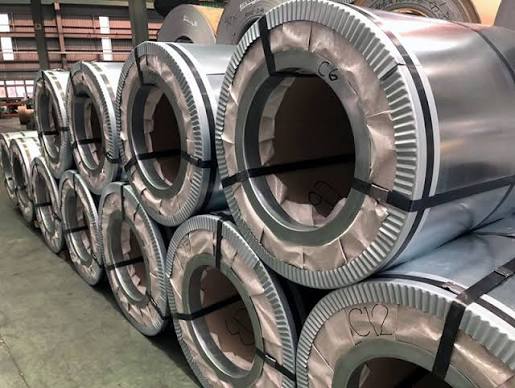
For heat- and corrosion-resistant coil suited to Saudi petrochemical structural and cladding duty, examine the available 316 prepainted stainless coil, nano anti-corrosion insulation board for industrial plants, and prepainted galvanized steel coil. Supply process temperature, chloride level, and quantity requirements to obtain mill certificates and coordinated bulk-delivery schedules that support on-time, compliant installation.


