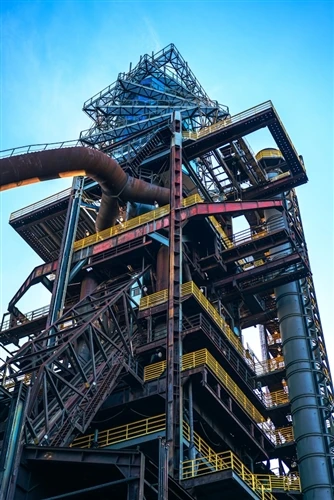
Why Standard Carbon Steel Failed in Basra's Refinery Environment
The Basra refinery expansion in southern Iraq is part of a broader national push to lift total refining capacity toward 1.3 to 1.65 million barrels per day and reduce costly fuel imports. Construction has moved forward in phases, and nearly every phase has run into the same problem. The local environment punishes ordinary carbon steel.
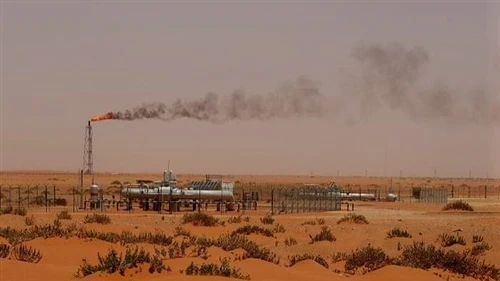
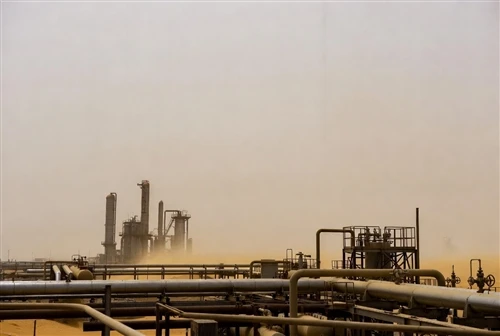
Basra sits at the northern end of the Persian Gulf. Daytime temperatures regularly cross 45°C between June and August. Sandstorms carry abrasive particulate that scours exposed metal surfaces. The crude processed here is high-sulfur, and refining units release hydrogen sulfide (H₂S) alongside acidic gases such as SO₂ and CO₂. Moisture from the Gulf coast adds an electrolyte layer that accelerates electrochemical corrosion.
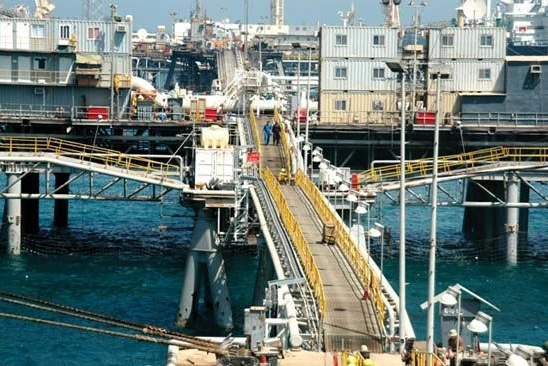
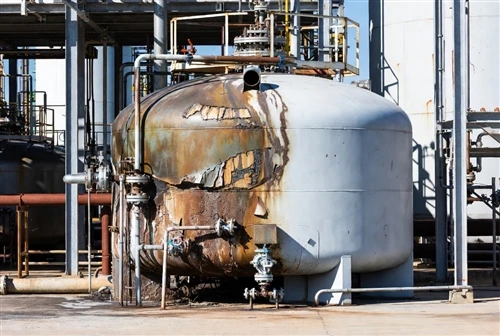
During the first expansion phase, standard A36 carbon steel was used in process piping, storage tank internals, and structural supports. The results were predictable but expensive. Pitting appeared within months. Wall thickness loss exceeded the project's acceptable threshold during routine ultrasonic inspections. Unplanned shutdowns for section replacement became a quarterly event, and each stop meant lost production plus emergency procurement at premium prices.
The project team, a joint venture between the Iraqi state refinery operator and an international EPC contractor, began searching for a coil supplier with proven experience in similar Middle East hydrocarbon environments. Their requirements were specific. The steel needed to resist H₂S-induced sulfide stress cracking and acidic corrosion. It had to tolerate daily temperature swings of 30°C or more without coating delamination. Local crews needed good weldability, ideally without pre-heating, because on-site preheat operations in 45°C heat were slow and raised safety concerns. Delivery had to align with the EPC master schedule, and all material had to meet sea transport packaging standards for arrival through Basra port.
Customized Weathering Steel Coils Built for Basra's Crude and Climate
Shandong Pinjie New Materials has produced and exported steel coils for over a decade, with a growing reference list in Middle East oil and gas projects. When the Basra inquiry came in, we did not quote a standard catalog item. We asked first for the site's crude assay data and climate records, then worked backward to a material specification.
The coil we proposed is a weathering, atmospheric corrosion-resistant steel based on ASTM A588 Grade B chemistry, paired with a hot-dip galvanized substrate and a three-layer coating system. The base chemistry includes controlled additions of chromium at 0.40 to 0.70 percent, nickel at 0.20 to 0.50 percent, and copper at 0.25 to 0.55 percent. These elements promote the formation of a dense, adherent patina layer on the steel surface when exposed to alternating wet and dry cycles. That patina acts as a barrier that slows further oxidation. Carbon steel, by contrast, forms porous rust that flakes off and exposes fresh metal to the next corrosion cycle.
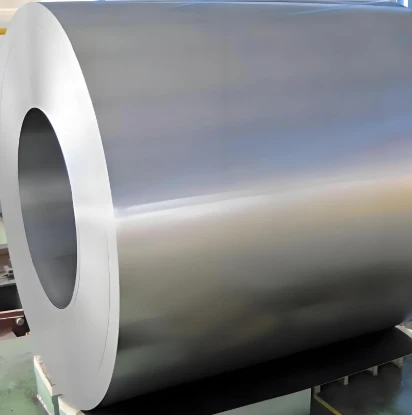
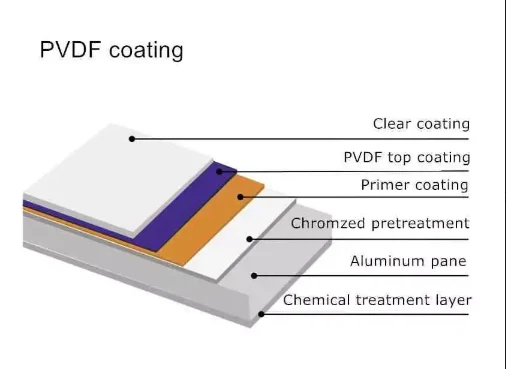
On top of the substrate we applied a three-layer coating system. The first layer is a chromate-free passivation treatment that improves adhesion between the zinc and the organic coating. The second is an epoxy primer at approximately 5 to 8 μm dry film thickness, chosen for its chemical resistance to H₂S and acidic condensates. The topcoat is a PVDF, polyvinylidene fluoride, finish at 18 to 22 μm DFT, selected for its UV stability in strong sunlight and its resistance to chalking and erosion from wind-blown sand. Total coating thickness on the finished coil ranges from 23 to 30 μm per side.
Mechanical properties were tuned to the project's structural and fabrication needs. The supplied coils met a minimum yield strength of 345 MPa and tensile strength between 490 and 620 MPa, with elongation at break of 22 percent or higher. Carbon equivalent, CEV, was held below 0.45 percent, which allowed the site welding teams to perform manual metal arc and GMAW welding without pre-heating for thicknesses up to 12 mm. That was a meaningful on-site efficiency gain. Coil thicknesses supplied ranged from 1.5 mm for tank lining applications to 6.0 mm for structural support sections.
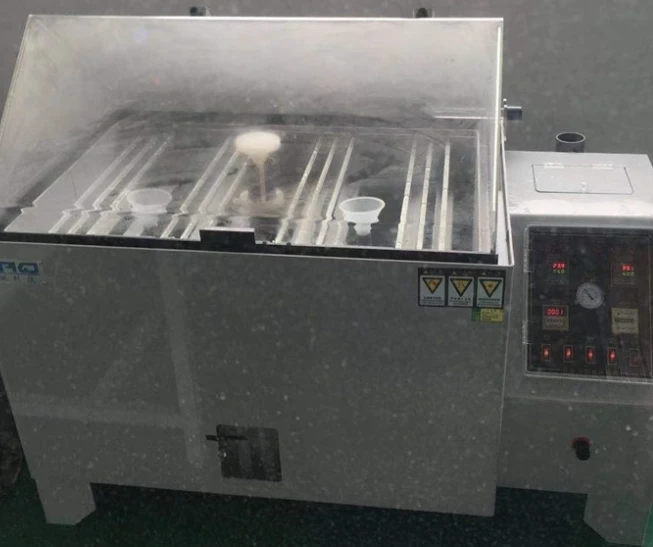
Before shipment we ran accelerated laboratory tests replicating Basra conditions. Salt spray testing followed ASTM B117 for 1,000 hours, with additional cyclic corrosion testing combining humidity, salt mist, and dry-heat cycling at 50°C. The weathering steel coils showed an average corrosion rate approximately 70 percent lower than conventional A36 carbon steel, and pitting density after 20 CCT cycles was reduced by more than half. The coating system passed ASTM D3359 cross-hatch adhesion testing at 5B with no flaking, and showed no delamination after 500 hours of UV condensation exposure per ASTM D4587.
The coils were installed across three application areas. Process pipeline sections in the desulfurization unit, internal lining of two atmospheric storage tanks, and structural supports for pipe racks in the tank farm.
Production, Inspection, and an Urgent Reorder
Production ran on a 20-day schedule from order confirmation. Each batch passed through our in-house quality inspection before dispatch. We checked coating adhesion via cross-hatch testing, dimensional accuracy with thickness tolerance of ±0.05 mm and width tolerance of ±2 mm, and material consistency through spectrometer verification of every heat. Mill test certificates were issued per EN 10204 3.1 for each coil.
The full first shipment was loaded five days ahead of the contractual delivery date. We arranged sea freight on an established Middle East route, with transit time of approximately 18 to 22 days to Umm Qasr port, followed by inland transport to Basra. Packaging included VCI, volatile corrosion inhibitor, paper interleaving between coils, edge protectors, and a waterproof outer wrap to guard against humidity and salt air during the multi-week voyage.
Eight Months of Continuous Operation in Basra
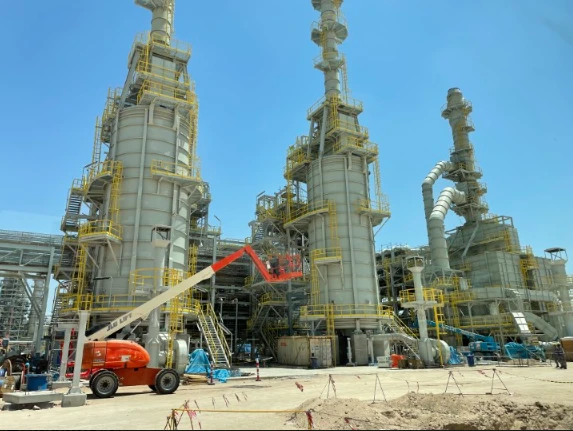
The supplied coils have now been in continuous service for over eight months in the Basra units. Follow-up inspections, conducted by the EPC integrity team using ultrasonic thickness gauging and visual surface assessment, recorded average wall thinning below 0.1 mm across all monitored sections. Pitting was present but markedly less dense and shallower than in the carbon steel sections installed during the first expansion phase. No coating delamination or blistering was observed on any PVDF-coated surface.
These results translated directly into operational outcomes. The refinery recorded zero corrosion-related unplanned shutdowns in the units using our coils during the reporting period, compared with an average of one shutdown every 90 days in the carbon steel sections. Maintenance intervals were extended, and the project's asset integrity team revised their replacement forecast downward. The refinery continues to progress toward its nameplate capacity target with lower expected long-term operational costs.
Monitoring is ongoing. We receive quarterly thickness data from the site, and our technical team reviews the results to refine coating recommendations for future phases. No material performs perfectly forever, and we prefer to track real degradation curves rather than rely on lab projections alone.
Frequently Asked Questions
What steel grade is recommended for refinery piping exposed to H₂S?
For atmospheric and mildly acidic refinery environments, weathering steels such as ASTM A588 with an appropriate galvanized and PVDF coating system offer a strong balance of corrosion resistance, weldability, and cost. For severe sour service with high H₂S partial pressure, carbon steels with NACE MR0175 / ISO 15156 compliance or corrosion-resistant alloys may be required. The right choice depends on the specific crude assay, operating temperature, and H₂S concentration.
Can weathering steel coils be welded without pre-heating?
Yes, when the carbon equivalent is controlled below approximately 0.45 percent. The coils supplied to the Basra project maintained CEV below 0.45 percent, allowing manual metal arc and GMAW welding without pre-heating for section thicknesses up to 12 mm. For thicker sections or highly restrained joints, low-temperature pre-heating may still be required by the welding procedure specification.
What coating system resists both UV degradation and sand erosion in the Middle East?
A PVDF topcoat over an epoxy primer on a hot-dip galvanized substrate is one of the most durable combinations for Middle East outdoor exposure. PVDF offers excellent UV stability and chalk resistance, the epoxy primer provides chemical resistance, and the zinc layer provides cathodic protection. For areas with severe sand abrasion, thicker PVDF films above 20 μm or additional polyurethane intermediate coats can extend service life.
What is the expected service life of anti-corrosion steel coil in a refinery?
Service life depends on operating conditions, coating system, and maintenance practices. In the Basra application the coils have performed for over eight months with less than 0.1 mm wall thinning and no coating failure. Based on accelerated test data and comparable Middle East references, a properly specified and maintained system can typically deliver 8 to 12 years of service before major coating refurbishment, roughly 2 to 3 times the service life of uncoated carbon steel in the same environment.

Ready for Your Refinery Project?
If your refinery or hydrocarbon project in the Middle East faces similar challenges, high heat, blowing sand, H₂S, and acidic corrosion, we can help. Shandong Pinjie New Materials prepares custom anti-corrosion steel coil supply plans based on your site's crude assay, climate data, and fabrication requirements. Request a specification sheet or ask for a quote, and our technical team will respond within two business days.