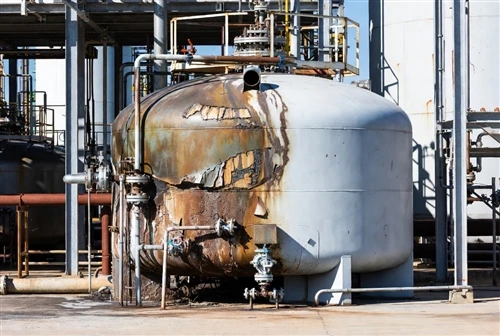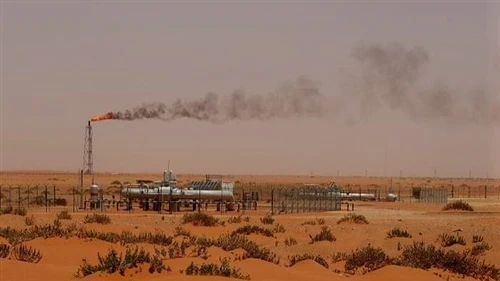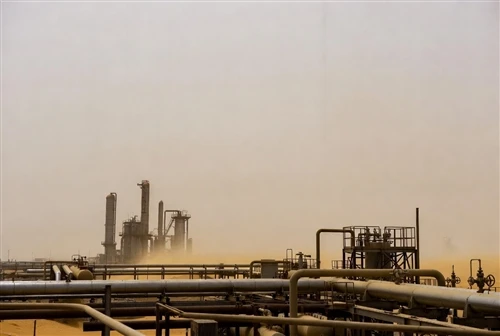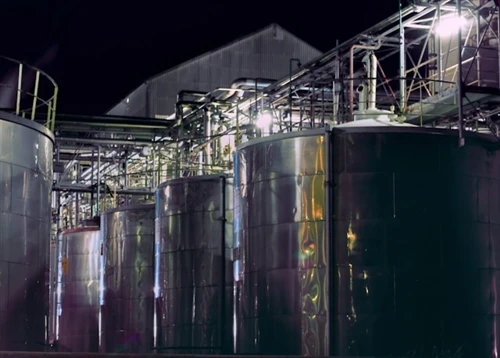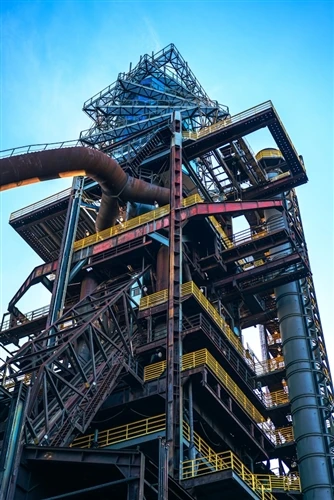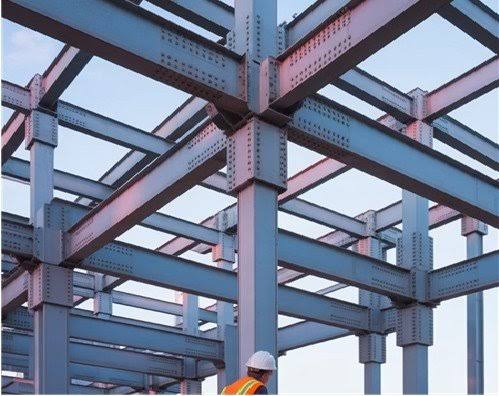
In these weak acid-alkali environments-typical of secondary containment, pipe supports, and light structural frames around neutralization or dilute-process areas-bare hot-dip galvanized steel still offers useful sacrificial protection within the pH 6–12.5 window documented by the Galvanizers Association of Australia. Once pH drops below 6 or rises above 12.5 for prolonged periods, zinc dissolution accelerates. The practical answer is a factory-applied organic coating system that bonds tightly to the zinc layer, combining barrier isolation with residual cathodic protection at any micro-damage sites.
Performance hinges on three measurable attributes. First, chemical resistance: epoxy-phenolic or specialized nano-ceramic topcoats routinely survive continuous contact with 10–30 % sulfuric or hydrochloric acid at ambient temperature and brief exposure to dilute caustic solutions, as verified in manufacturer immersion charts and independent laboratory soak tests. Second, adhesion: pull-off values exceeding 5 MPa (ASTM D4541) after surface preparation to Sa 2.5 ensure the coating stays bonded even under thermal cycling common in plant utility corridors. Third, dry-film thickness and continuity: total systems of 200–400 µm, applied over a zinc-rich or conversion-treated galvanized substrate, consistently pass holiday detection and deliver multi-year service without under-film corrosion.
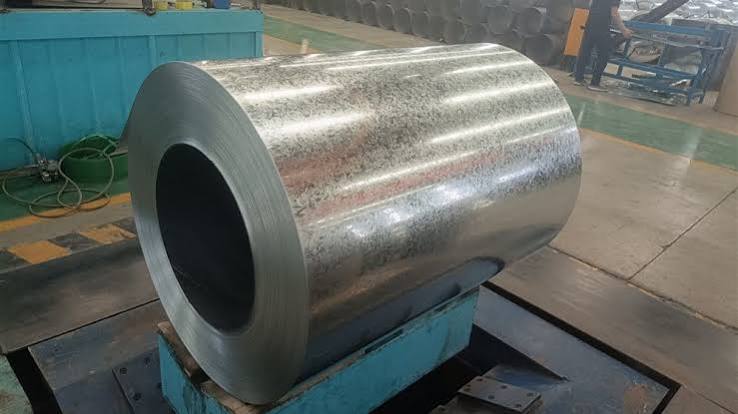
Field adaptation follows process zoning. For light structural supports and secondary steelwork around mild-acid scrubbers or alkali wash stations, factory prepainted galvanized coil provides uniform coverage and eliminates on-site painting variables. In more exposed roofing or cladding zones that also see occasional chemical mist, nano-coated or thicker organic systems on galvanized or galvalume substrates add both chemical resistance and thermal reflection. The same coil products can be formed into brackets, trays, and framing members, reducing the number of field-welded joints that later become corrosion initiation points.
Selection therefore rests on matching the coating chemistry and thickness to the actual splash or vapor exposure rather than defaulting to stainless steel or thick field-applied linings. Inspection records from the Jiangsu plants show that correctly specified duplex galvanized systems cut recoating frequency by more than half compared with single-coat alternatives, while Gulf Coast case notes confirm comparable reductions in unplanned downtime.
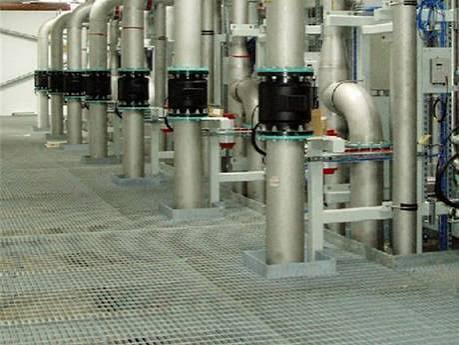
For coil products engineered for these mild acid-alkali duties, examine the available nano anti-corrosion insulation board for industrial plants, prepainted galvanized steel coil, and standard hot-dip galvanized steel coil. Supply process pH, temperature, and exposure type to obtain mill certificates and tailored recommendations that keep plant structures reliable without excess cost.