

Material matching therefore begins with process chemistry rather than generic catalogues. For concentrated sulfuric service under ambient conditions, fully killed carbon steel grades such as ASTM A516 Gr. 70 with a defined corrosion allowance remain the economical baseline, provided design follows the fabrication and inspection guidance of NACE SP0294-2025. When acid strength falls, chlorides appear, or temperature rises, 316L stainless (2–3 % molybdenum) supplies markedly higher pitting resistance; documented acetic-acid tank studies and plant PMI records confirm its superiority over 304 grades. Where impurities or fluctuating concentrations further narrow the safe window, duplex 2205 or Alloy 20 extend the stability range without immediately invoking nickel-alloy costs. Hybrid approaches-carbon-steel shells protected by epoxy-novolac or rubber linings-offer an intermediate cost–performance balance when continuous inspection is feasible.
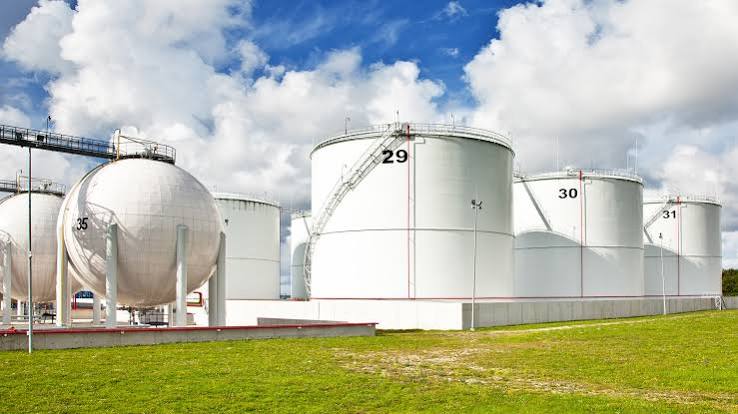
Long-term integrity rests on more than alloy choice. Factory-passivated modular 316L construction eliminates many heat-affected zones that later become stress-corrosion initiation sites, a point repeatedly verified in seismic-prone Asian plants built to API 650 or AWWA D103 principles. Regular ultrasonic thickness surveys and positive material identification (PMI) testing, scheduled according to the inspection intervals recommended in NACE SP0294-2025, detect early wall loss before seepage develops. Cathodic protection at low current densities has also restored service life in several Gulf Coast 316L vessels that had begun to pit from inhibitor-derived chlorides.
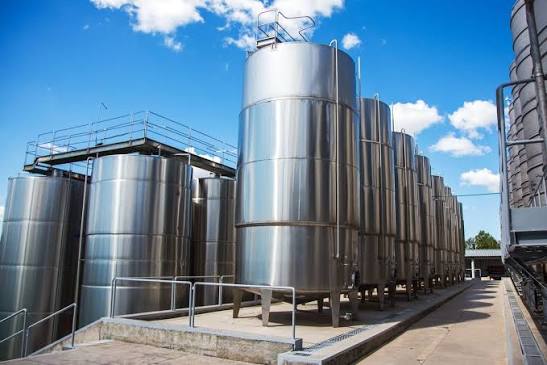
Project adaptation follows exposure mapping. Concentrated-acid bulk tanks favor carbon-steel shells with controlled corrosion allowance and external galvanized or coated structural supports; dilute or mixed-acid duty shifts to 316L or duplex vessels, often clad or lined. Secondary containment and pipe-support frames around these tanks benefit from prepainted or nano-coated galvanized coil, which resists splash and vapor while remaining formable for brackets and walkways. This zoning approach, drawn from cross-regional case reviews, reduces both leakage probability and lifecycle cost.
For coil and sheet products suited to tank shells, linings, and supporting structures in acid service, review the available 316 prepainted stainless coil, nano anti-corrosion insulation board for industrial plants, and prepainted galvanized steel coil. Provide acid concentration, temperature range, and contaminant data to receive mill certificates and project-specific recommendations that prioritize leak-free, long-term performance.


