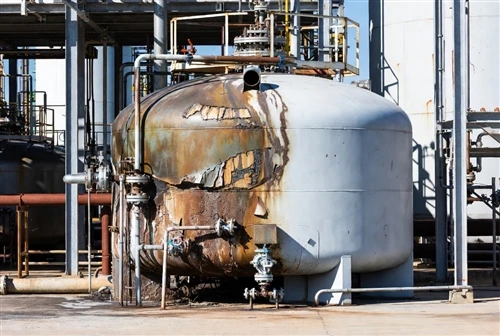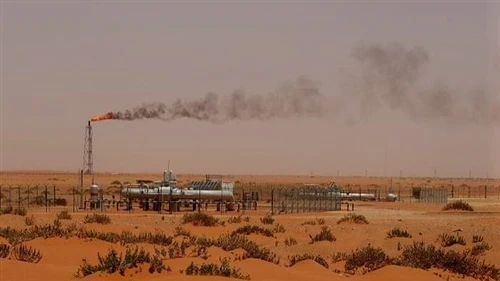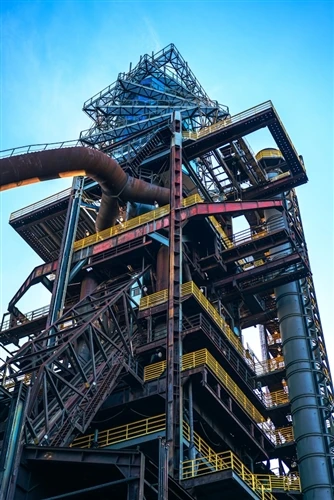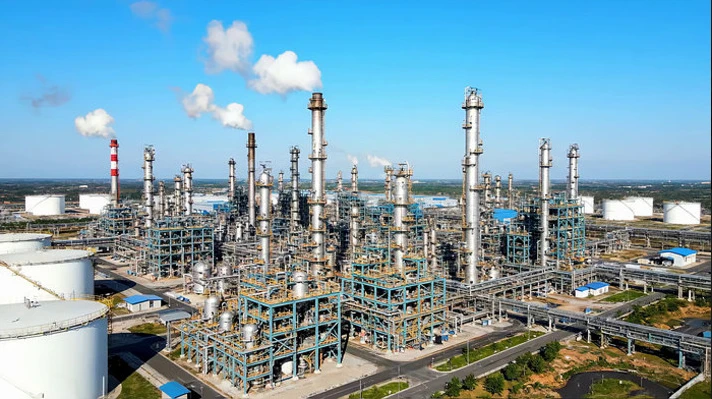
Your petrochemical facility operates with inherent risk. You handle volatile hydrocarbons daily, exposing your site to vapor cloud explosions (VCEs), rapid pressure spikes, and flying fragments. These blast events apply extreme, short-duration loads to on-site structures - control rooms, operator shelters, process enclosures, and more - and conventional building materials often suffer catastrophic brittle failure under these conditions.
Blast performance alone is not enough for your operation. Your solutions must meet strict regulatory and insurance requirements, resist long-term corrosion in harsh process environments, and deliver consistent material quality across every production batch. Inconsistent material properties often cause qualification delays, compliance rejections, and unplanned maintenance costs, which amplify safety risks and extend project timelines beyond planned schedules.
Engineered Material System for Ductile Blast Energy Absorption
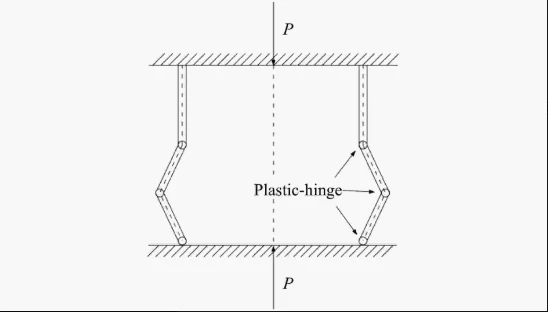
Our blast-resistant steel systems rely on ductile energy absorption, the industry gold standard for blast load mitigation. Unlike brittle materials that fracture catastrophically under sudden dynamic forces, our structural steels use strain-rate hardening behavior. Under the rapid loading of a blast event (strain rates of 10²–10³ s⁻¹), yield strength increases significantly, and the material retains sufficient elongation to dissipate blast energy through controlled plastic deformation. This prevents sudden structural collapse and protects your personnel and critical equipment inside the enclosure.
Each system combines two core material layers. Primary load-bearing frames and blast walls use high-ductility carbon structural steels, including ASTM A36, A572 Grade 50, and A992 grades, while exterior cladding uses 410/2B pre-painted stainless steel coil. This design balances structural blast performance with long-term environmental protection: carbon steels deliver the high toughness and energy absorption required for primary blast resistance, and 410 stainless steel preserves enclosure integrity, resists penetration from flying fragments, and provides durable corrosion protection for exterior surfaces.
This dual-material engineering directly addresses key limitations of standard competing materials:
Conventional pre-painted carbon steel provides only basic corrosion resistance and cannot tolerate blast-induced plastic deformation. It fractures catastrophically under sudden dynamic overpressure, failing to contain blast forces or block flying fragments.
Standard commercial stainless steel lacks sufficient toughness for blast loading conditions. Its low ductility leads to tearing and brittle rupture at the high strain rates of a VCE, breaking enclosure integrity and leaving your personnel and equipment exposed.
System Configuration & Performance Specifications
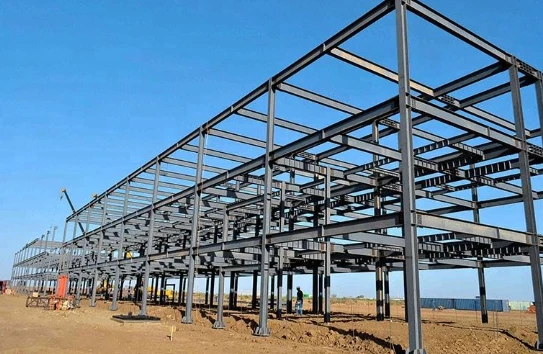
Standard modular blast-resistant building configurations use hollow structural section (HSS) frames reinforced with heavy-gauge steel plate blast walls, engineered to withstand peak overpressures of up to 20 psi per industry response criteria. All designs prioritize continuous load path integrity, with reinforced connection details and standard blast-rated door assemblies to eliminate the common weak points that fail under dynamic loading. The solution is suitable for both new construction and retrofits of existing on-site structures, with performance calibrated to protect your personnel and maintain facility operability following a blast event.
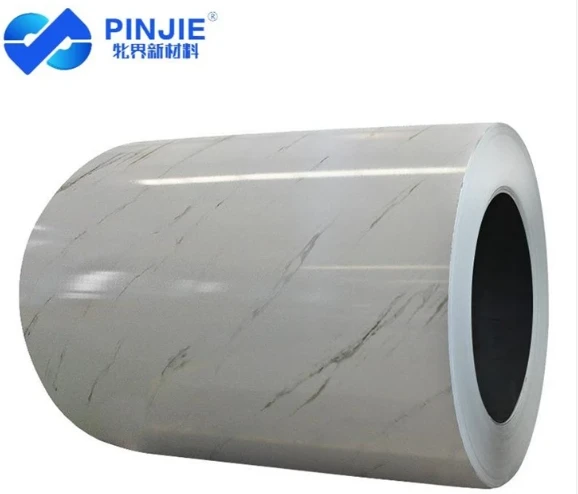
Our 410/2B pre-painted stainless steel coil is optimized for exterior cladding in low-to-moderate corrosion petrochemical environments, delivering functional value far beyond aesthetics. This grade offers high surface hardness and inherent mechanical strength to resist fragment penetration during blast events, while factory-applied coatings deliver exceptional adhesion that remains intact through structural deformation, meaning corrosion protection stays effective even after a blast incident.
Available coating systems include PE, SMP, PU, HDP, and PVDF formulations, which you can select to match your site's specific durability and aesthetic requirements. Standard base thickness starts at 0.6 mm, with widths ranging from 600 mm to 1219 mm and a full range of custom color options. All coils are manufactured to tight dimensional tolerances for seamless installation with minimal field modification.
Standards Alignment & Quality Consistency
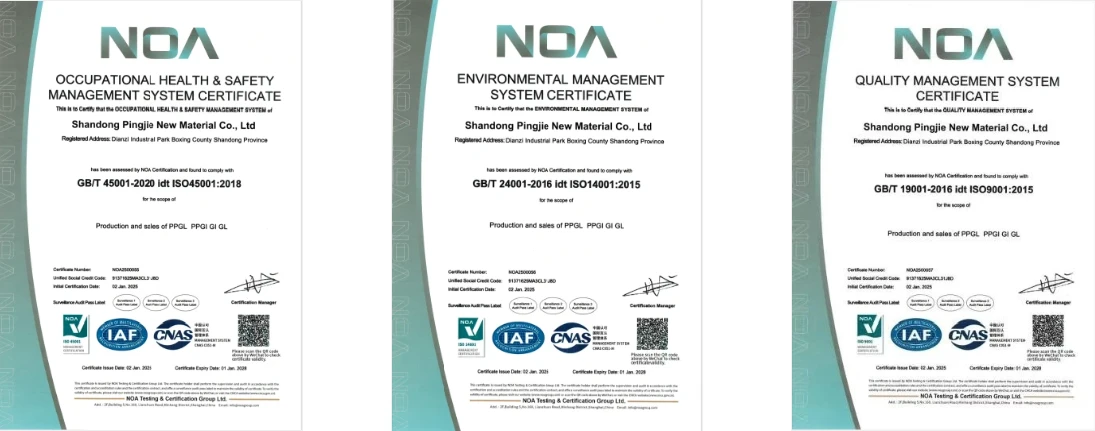
Every element of our blast-resistant steel solutions aligns with leading industry design standards, including ASCE's Design of Blast-Resistant Buildings in Petrochemical Facilities and UFC 3-340-02 Structures to Resist the Effects of Accidental Explosions. Material properties are engineered to support dynamic load calculations under these frameworks, simplifying compliance reviews and regulatory approvals for your engineering teams.
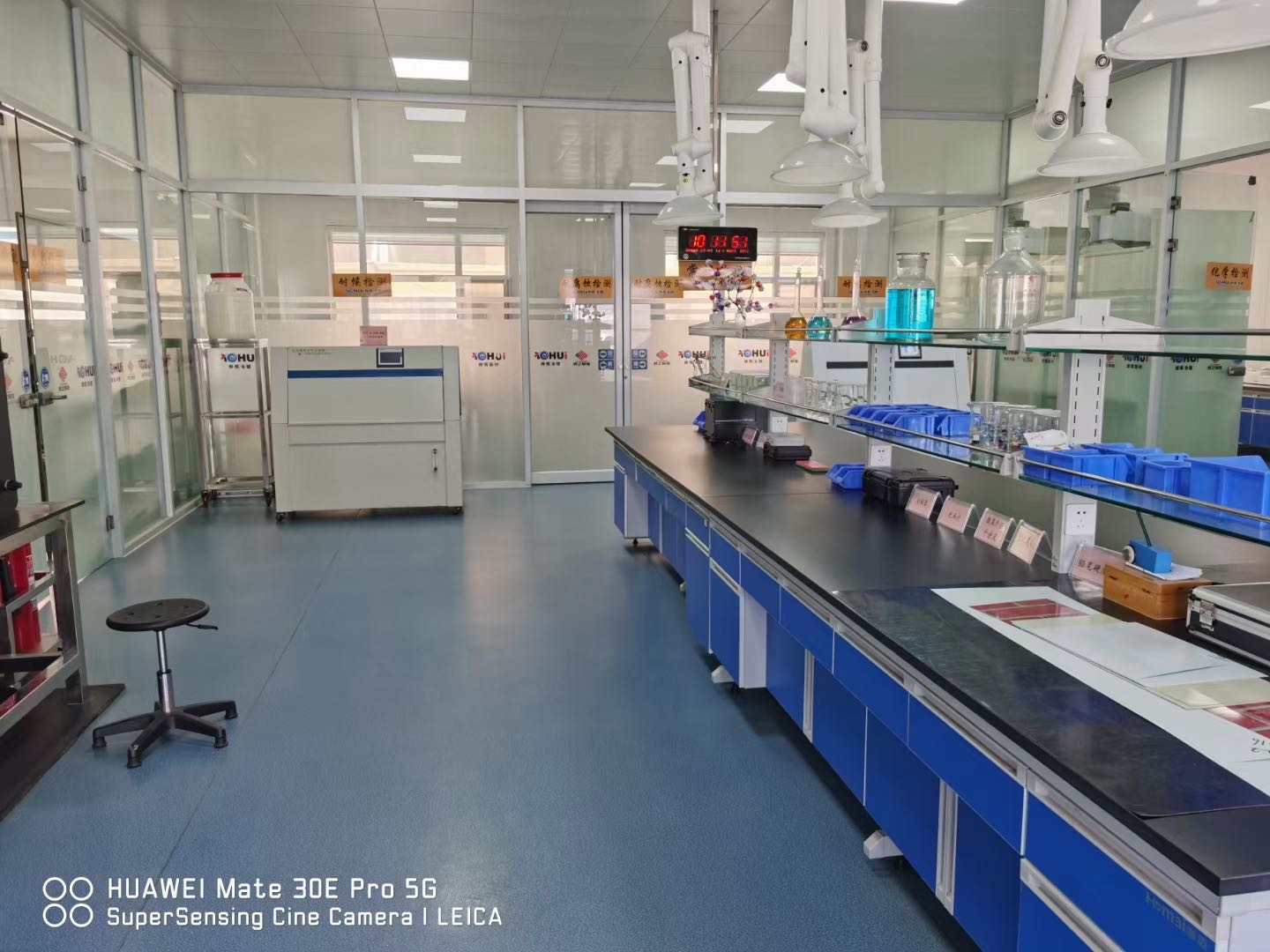
Generic blast-resistant steel plates on the market have large batch-to-batch fluctuations in mechanical properties, which cause repeated qualification failures and unreliable on-site performance. We enforce strict process control across every stage of production, from melt chemistry through final coil finishing, with end-to-end full batch traceability, consistent mechanical property testing, and tight dimensional control. These measures minimize material variability and reduce unexpected issues during installation and third-party qualification.
Proven Performance in Real-World Installations
This engineering approach has been validated through operational deployments across global petrochemical markets:
Kuwait refinery project: A major refinery deployed multiple blast-resistant operator shelters built with our A572 Grade 50 structural steel and 410/2B cladding coil, rated for 8 psi peak overpressure. Completed within the 2017–2018 project schedule, the facilities passed local regulatory inspection on first submission, with site teams noting reliable personnel protection and seamless integration of HVAC and life safety systems.
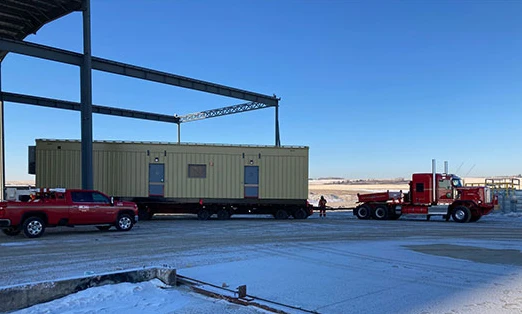
Alberta, Canada project: Gibson Energy commissioned a custom 1,144 sq. ft. modular blast-resistant structure built with our steel components. Sited adjacent to active process areas, the project was fully completed in just 98 days with minimal site disruption, meeting all blast and fire-resistance requirements. The tight dimensional consistency of our pre-fabricated steel components reduced on-site rework, accelerating commissioning and lowering total installed cost.
Operators across both projects reported fewer post-installation adjustments, faster regulatory sign-off, and consistent long-term performance, confirming our steel solutions deliver dependable protection under real operating conditions.
Partner With Us for Reliable Blast Protection
You can strengthen blast safety and compliance at your petrochemical facility with structural steel solutions engineered for real-world performance. Shandong Pinjie New Material Co., Ltd. supports projects of all scales, from single shelter retrofits to full-site blast upgrade programs, with tailored material specifications, full compliance documentation, and reliable bulk supply.
Contact our engineering support team to discuss your project requirements, request detailed material data sheets, or arrange a custom supply plan.