We make galvanized steel coils, and one of the things we roll is corrugated galvanized sheet for grain silo walls. A growing share of that sheet ends up in Africa, so this article is not written from a catalogue. It is the conversation we usually have with a buyer planning a silo for the first time: the questions people actually ask us, the numbers we check on every coil, and a few mistakes we have watched buyers make. We keep to what a steel supplier can honestly tell you. One thing you should know from the start: we supply the corrugated galvanized sheet. Bolts, seals, ladders and aeration all come from your fabricator or erector.
Why Grain Goes Bad in Storage
Grain keeps working after harvest. It breathes, it holds moisture, and it attracts insects. Let the temperature climb inside the bulk, or let condensation form, and mould follows. FAO's own 2011 assessment of post-harvest losses in sub-Saharan Africa put physical losses before processing at 10 to 20 percent, and most of that loss happens during storage, not in the field. A sealed galvanized steel grain silo changes the arithmetic. It keeps out rain, rodents and insects, and it gives you controlled aeration to manage temperature and moisture.
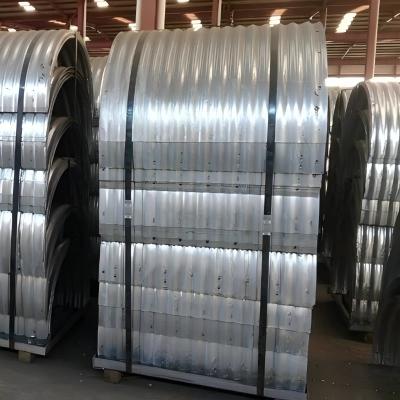
What a Galvanized Steel Grain Silo Is
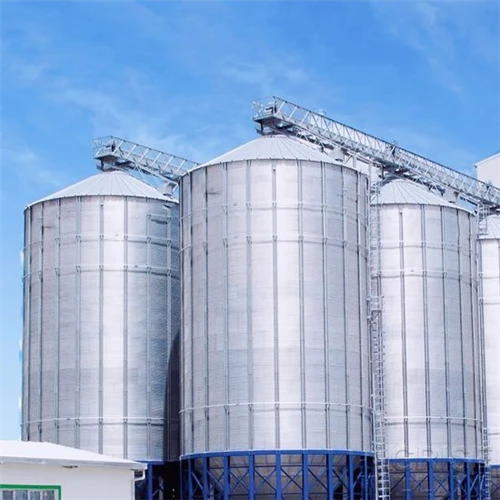
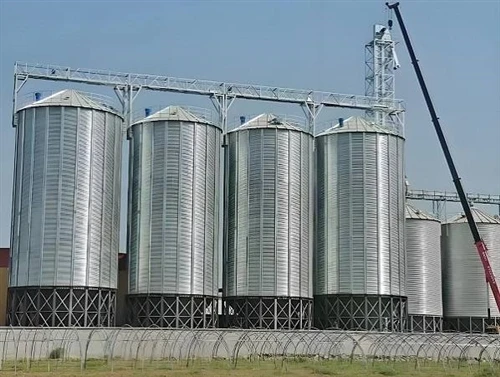
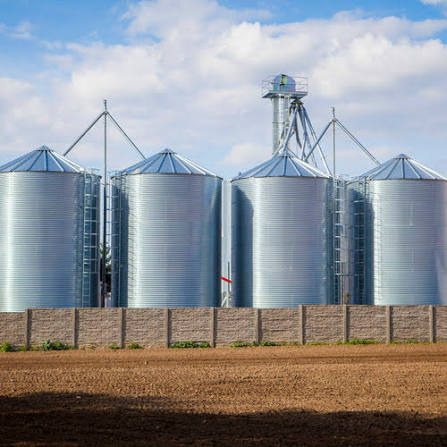
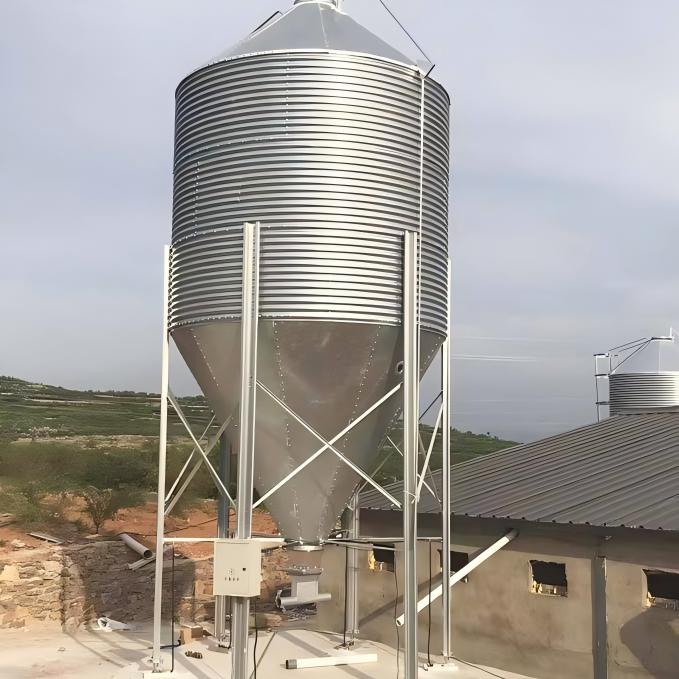
A grain silo is a vertical steel cylinder for storing dry grain in bulk. In practice the name covers the whole assembly, wall sheets, bolts, seals, roof and hopper, but the part that decides everything is the wall. Ours is built from corrugated galvanized sheets, joined with bolts during erection. The corrugation is not decoration: it stiffens a thin sheet enough to stand several metres high without making the steel thicker. Sheet thickness and corrugation profile follow the silo diameter and the weight of the grain it will carry. This is where our scope ends, at the sheet. Bolts, seals, ladders and other fittings are supplied by the fabricator or the erector.
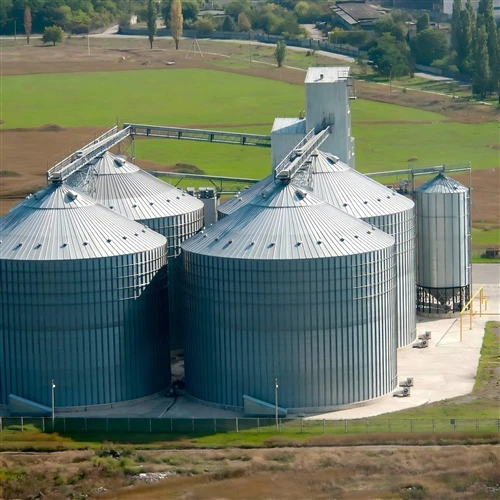
Grain is loaded through the roof and discharges from the bottom, so the silo works by gravity. It stands on a concrete foundation and is bolted down. Capacities run from 50 tonnes to several thousand, which is why you find the same construction on small farms and at large flour mills alike.
Why the Steel Matters
Steel quality is where cheap silos cut corners, and it is where our background shows. We are a steel coil manufacturer and trading company, and the same coil that becomes silo sheet is the coil we sell to industry. It passes the same checks: base metal grade, coating weight, adhesion, and sheet forming. None of that is exotic; it is the routine a steel mill runs on every galvanized coil it ships. What leaves our plant is the corrugated galvanized sheet itself.
Hot-dip galvanizing is the key process. The zinc layer shields the steel from rust in humid air and keeps protecting the base metal even where a scratch goes through. A coating of about 275 grams per square metre (Z275) is common for silo sheets. If a supplier cannot tell you the coating weight, treat that as a warning sign.
One conviction we have formed from supplying these sheets: buyers spend most of their attention on thickness, and coating comes second. In the humid, often coastal climates where most African silo projects sit, the coating decides whether the wall serves you ten years or thirty. A few millimetres of steel cannot be rescued by paint later.
The first real decision is the bottom. Cone-bottom silos have a steep hopper, so maize, wheat, rice or soybean flows out by gravity and the silo empties almost completely; they suit mills and traders who unload often. Flat-bottom silos hold more grain for the same wall height and cost less per tonne, but they need a sweep auger to empty. They fit strategic reserves and large terminals better.
Capacity follows from your intake. A flour mill running on wheat may need 500 to 1,000 tonnes; a cooperative that buys once a season might start with 100. Our advice, for what it is worth: build what can be extended later rather than overbuild from the start.
|
Capacity |
Typical Application |
Recommended Bottom |
|
50 - 100 t |
Small farms, cooperatives, seed storage |
Cone bottom |
|
200 - 500 t |
Feed mills, maize traders, flour mills |
Cone bottom |
|
500 - 1,000 t |
Commercial terminals, rice mills |
Cone or flat bottom |
|
1,000 t and above |
Strategic reserves, large processing plants |
Flat bottom |
Table 1. Common silo capacities and their typical applications.
The Equipment Most Buyers Forget
A bare silo is only half the system, and the rest is not our scope. We supply corrugated galvanized sheets; aeration, sensors and unloading gear come from the silo designer or the erector. Plan them early anyway. Aeration moves air through the grain with a fan and a perforated floor, controlling temperature and moisture and preventing hot spots. Temperature sensors hung at different depths warn you when the bulk begins to heat. Level indicators stop overfilling. For a mill that runs daily, a dependable slide gate and unloading auger decide between a smooth shift and a jammed one, and for maize kept through a wet season, the whole package earns its keep.
Ask your silo designer to specify these together with the structure. When fans, sensors and silo are sized for each other, there are fewer surprises on site.
Delivery and Erection
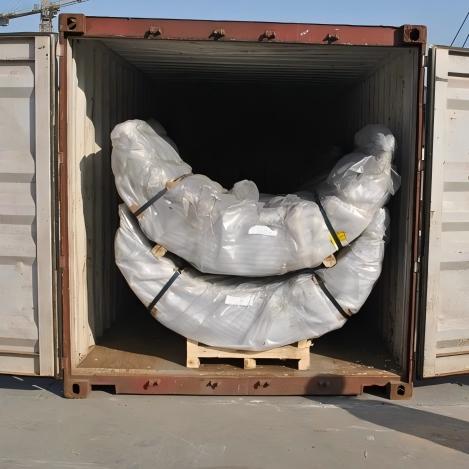
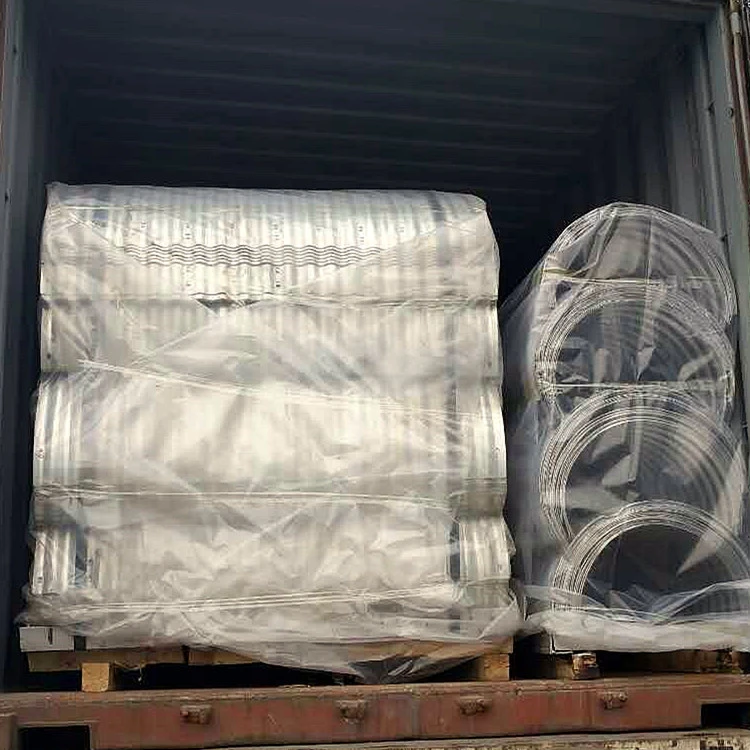
Our part of the delivery is simple. Corrugated galvanized sheets are cut to the agreed length, bundled for export and shipped to your port. Bolts, seals, ladders and other fittings are not part of our scope; the fabricator or the erector supplies them. What you receive is the material that becomes the silo wall.
One point buyers in Africa raise again and again: a bolted silo can be dismantled and moved if the project relocates. Every order includes the material specification, the packing list and the shipping documents, and our engineers can advise on sheet thickness and corrugation profile while you plan.
Day-to-day operation is simpler than people expect. Load dry grain, keep the vents clear, watch the temperature readings. Clean grain protects the aeration floor, since fines and dust settle between the panels. Twice a year, after heavy rain is a sensible moment, check the joints, the seals and the coating. A scratch on the zinc can be touched up with zinc-rich paint. That is nearly the whole maintenance list; the coating does the rest for years.
Choosing a Supplier
Prices are easy to compare between sheet suppliers; quality is not. Ask for the steel grade, the coating weight and the sheet tolerance in writing. Check what the quotation covers: thickness, width, corrugation profile, cut length, edge quality, packing for export. Ask about delivery lead time and whether a coating certificate comes with the order. These questions separate serious mills from middlemen.
We supply corrugated galvanized sheets rolled from our own galvanized coil, and we answer these questions directly. If you are planning a silo project, tell us your silo diameter, wall height and design load. We will recommend a sheet specification and a clear price, and we will say exactly what is included in our scope and what is not.
Grain losses are a cost you can remove. A silo chosen carefully and looked after simply will protect your harvest for decades. When you are ready to talk numbers, contact us with your silo diameter and wall height, and request a quotation. The first one usually answers half your questions.