

Two temperature-time curves dominate the conversation. UL 263 and ISO 834-1 follow a relatively slow cellulosic rise that keeps the average steel temperature limit at 538 °C / 1 000 °F. In contrast, UL 1709 (ANSI/UL 1709, 6th edition 2022) forces a hydrocarbon curve that hits 1 093 °C / 2 000 °F in five minutes-exactly the scenario faced by chemical, oil-product or high-bay logistics warehouses. European assessments under EN 13381-8 and BS 476-20/21 reveal a further practical difference: I- and H-sections typically achieve 1.2–1.6 times the fire-resistance period of hollow sections of the same section factor (A/V), while results obtained under the EN curve run 10–15 % lower than those under the older BS curve. These numbers come from systematic reviews of dozens of certified intumescent systems and are not theoretical.
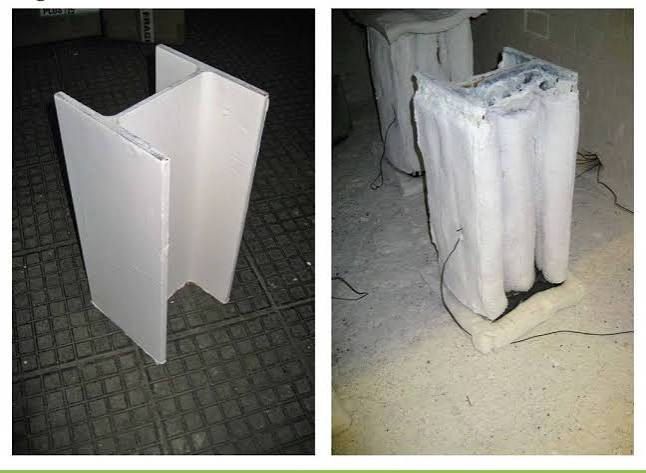
Under the 2024 IBC Table 601, a Type II-B single-storey warehouse can legally carry zero hours of protection on the primary frame provided height and area limits are respected. The moment high-piled storage or an S-1 classification appears, the rating jumps to one or two hours. European projects demand R30–R120 classifications plus European Technical Assessment (ETA) documentation. A documented 200 000 sq ft S-1 fulfilment centre in Texas required two-hour UL-listed protection on roughly half its steel tonnage; installed cost, including ESFR sprinklers, averaged about US $7.20 per square foot.
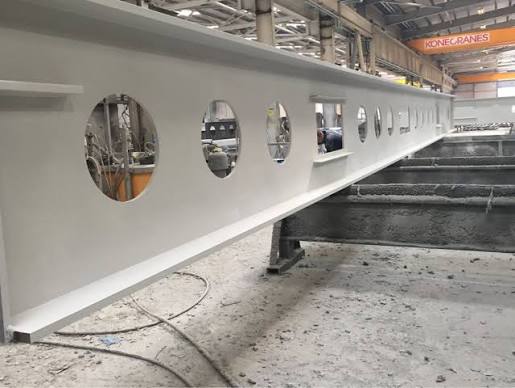
Two coating families dominate practice. Thin-film intumescent systems (0.3–5 mm dry-film thickness) expand 10–50 times, leave the steel visually exposed and are routinely listed for 30–120 minutes. Thick-film epoxy systems (up to 40 mm) suit concealed members or hydrocarbon risk and have been applied on tens of thousands of square metres in German logistics halls and U.S. petrochemical plants (Chartek 1709, Hensotherm 410 KS with ETA 20/1229). Water-borne versions lower VOC levels for LEED projects; solvent-borne or epoxy grades handle the rapid-rise UL 1709 curve. Surface preparation to Sa 2.5, a compatible primer, measured dry-film thickness and bond-strength checks (ASTM E736) remain non-negotiable. Performance-based models such as FDS or CFAST can sometimes justify thinner protection in open warehouses because of the cooling phase, yet prescriptive ISO 834 listings remain the baseline for most jurisdictions.
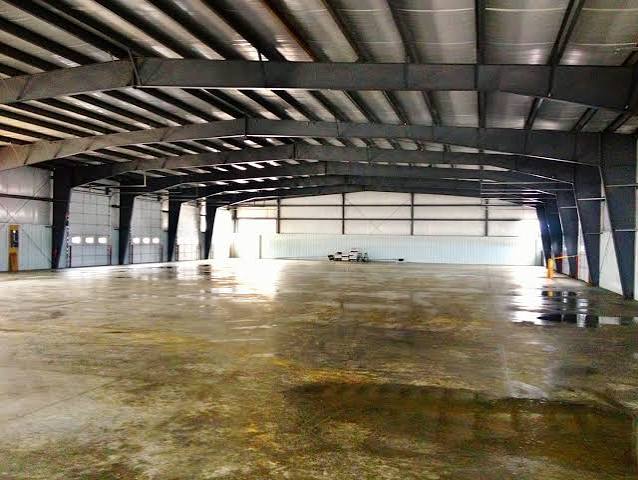
Section-factor calculations and on-site load verification during application consistently separate projects that survive real fires from those that fail. For the structural members themselves-purlins, beams and columns-specify hot-dip galvanized steel that already carries a robust zinc layer; the fire coating then bonds cleanly to a clean, corrosion-resistant substrate. When architectural finish is required, pre-painted galvanized coil provides both colour and an additional barrier before the intumescent is applied. Roof and wall cladding can be finished with trapezoidal roofing sheet that is compatible with the chosen fire-protection system.
Choose the coating system that matches the fire curve, the section factor and the certification body, then verify every thickness on site. That disciplined sequence has kept documented warehouse structures standing after real events and avoids the far higher cost of over-design or post-fire reconstruction. Contact our technical team for project-specific coating schedules and compatible galvanized substrates.


