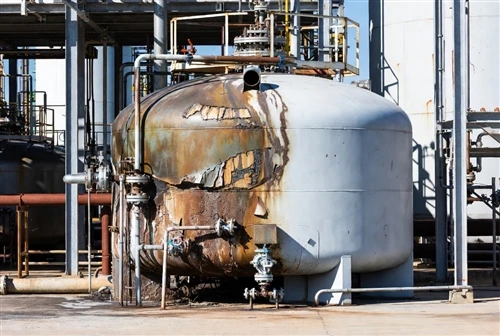
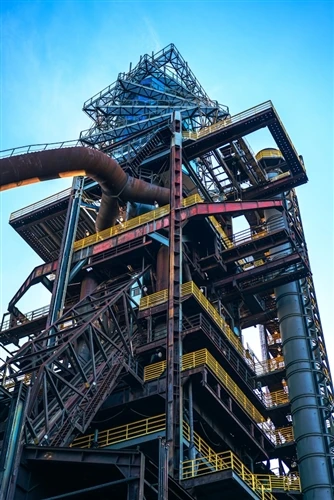
ISO 12944 (2018 edition) places most such warehouses in corrosivity category C2 or C3. C2 covers unheated interiors with temporary condensation; C3 covers urban or lightly industrial atmospheres with moderate sulphur dioxide. Field measurements published by Nordic Galvanizers and the Galvanizers Association of Australia show that a bare carbon-steel surface in C3 loses roughly 25–50 µm of thickness in the first year. Once the mill scale is breached, progressive pitting at joints accelerates the loss.

Factory-applied protection begins with continuous hot-dip galvanizing. A zinc coating of 70–150 µm (typical Z275 or heavier) functions as both barrier and sacrificial anode. Data compiled under EN ISO 1461 demonstrate that an 85 µm average coating on steel thicker than 6 mm delivers more than 40 years to first maintenance in C3 and well over 100 years in C2. For members that will remain exposed, a duplex system-galvanizing followed by an epoxy primer and polyurethane topcoat after Sa 2½ blast cleaning-further multiplies durability. Documented European logistics halls using this combination have recorded 15–25 years of service with only minor touch-up, cutting lifecycle repair costs by 40–60 % relative to painted-only mild steel.
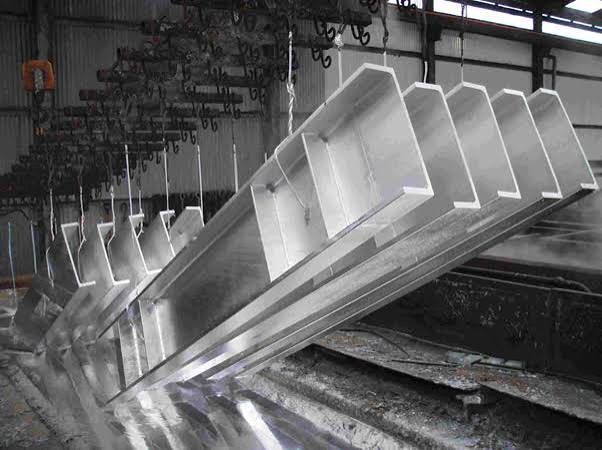
On site the priority is preservation of the factory finish. Cut edges and weld zones must be repaired immediately with zinc-rich paint or thermal spray to restore continuity of the sacrificial layer. In high-humidity Asian warehouses, microclimate monitoring of roof spaces and north-facing walls identifies condensation pockets; these areas receive an additional stripe coat before cladding is installed. Periodic dry-film-thickness checks every two to three years, using calibrated gauges, detect thinning long before structural capacity is affected.
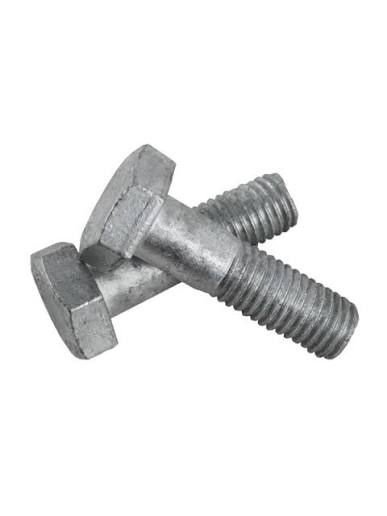
When the zinc layer is correctly specified and protected through erection, service life routinely exceeds the design life of the building itself. The economic case is straightforward: the incremental cost of proper galvanizing is recovered many times over through avoided downtime and section replacement.
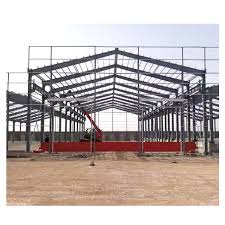
Specify hot-dip galvanized steel coil with verified coating mass for primary frames, or pre-painted galvanized coil where both corrosion resistance and architectural finish are required. Roof and wall cladding can be finished with trapezoidal roofing sheet produced from the same protected substrate. Contact our technical team for coating-mass calculations matched to your local corrosivity category and expected service life.