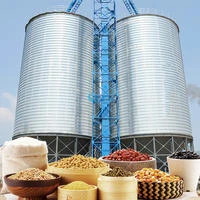
When farms and plantations in Southeast Asia, East Africa or South America need reliable irrigation or livestock water storage, three materials dominate the discussion: corrugated galvanized steel, concrete and plastic (usually polyethylene). Each has clear strengths, yet the practical balance of cost, construction speed, maintenance and service life often favours galvanized corrugated steel for medium-to-large outdoor volumes.
Installed cost and construction time
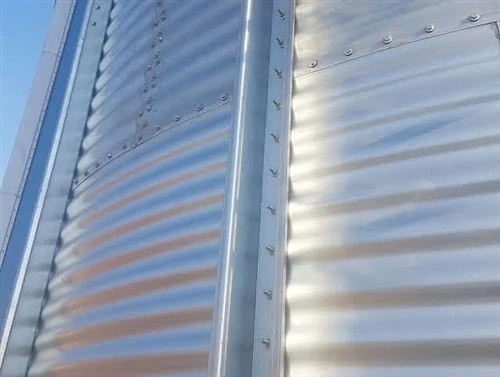
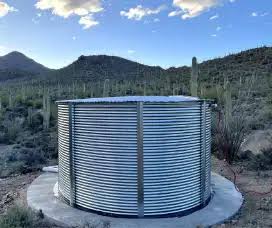
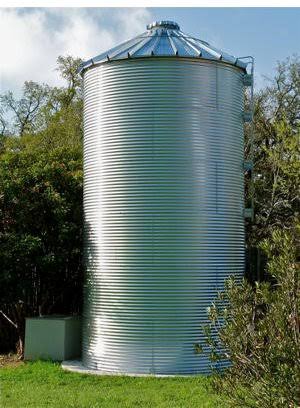
Plastic tanks offer the lowest purchase price for small capacities (typically under 50 m³) and can be placed by light equipment in a day. Concrete reservoirs demand formwork, reinforcement, pouring and weeks of curing; comparative project data from agricultural and municipal work show total installed costs frequently 30–50 percent higher than modular steel for similar volumes once foundation and labour are included. Bolted corrugated galvanized tanks arrive as flat panels, are assembled on a simple ring foundation or compacted base, and a medium-capacity unit is commonly ready in a few days. Published assessments for farm irrigation projects regularly report 20–30 percent lower total installed cost versus concrete of equivalent capacity.
Service life under outdoor farm conditions
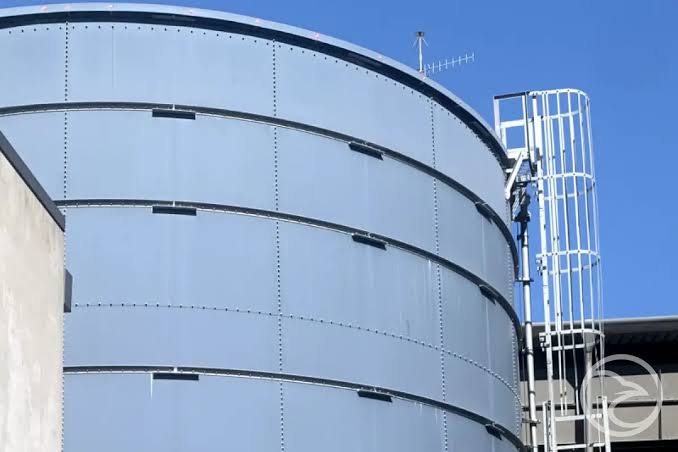
High-quality polyethylene tanks are typically planned for 15–25 years, though UV exposure and mechanical damage can shorten that figure in tropical sun. Concrete can last 30 years or more if cracking is controlled, yet ground movement, thermal cycling and poor detailing often produce leaks that require sealing or lining. Hot-dip galvanized corrugated steel, when specified with adequate zinc mass (Z275 inland, Z450–Z600 in humid or coastal zones), routinely delivers 20–30 years of structural service; many agricultural installations report low intervention beyond routine gasket and bolt checks. The zinc coating provides both barrier and sacrificial protection even if the surface is scratched during installation.
Maintenance burden
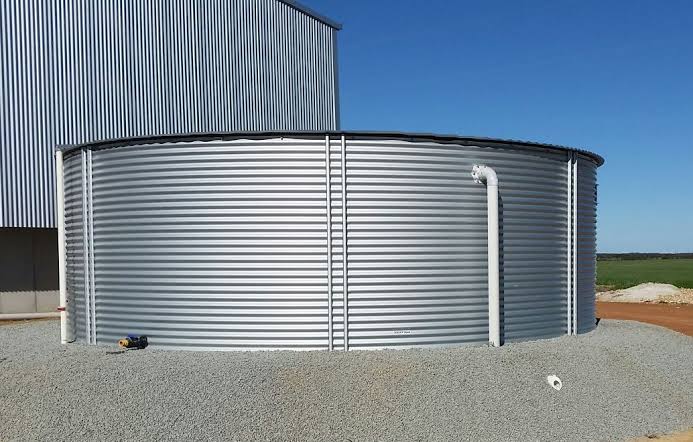
Plastic tanks need little structural maintenance but can develop cracks or become brittle; repairs are limited. Concrete requires ongoing inspection for cracks and waterproofing renewal. Galvanized corrugated tanks need periodic checks of bolts, gaskets and the exterior zinc surface; the coating itself continues to protect the steel without the frequent repainting associated with unprotected steel. When an interior liner is used for water quality, the external galvanizing still extends shell life.
Practical fit for agricultural sites
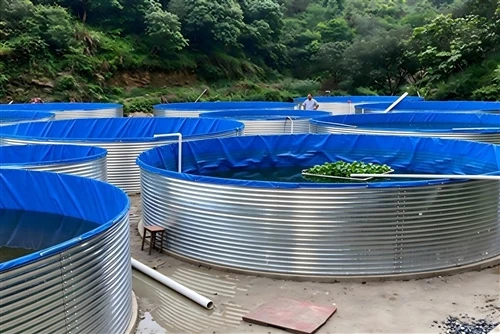
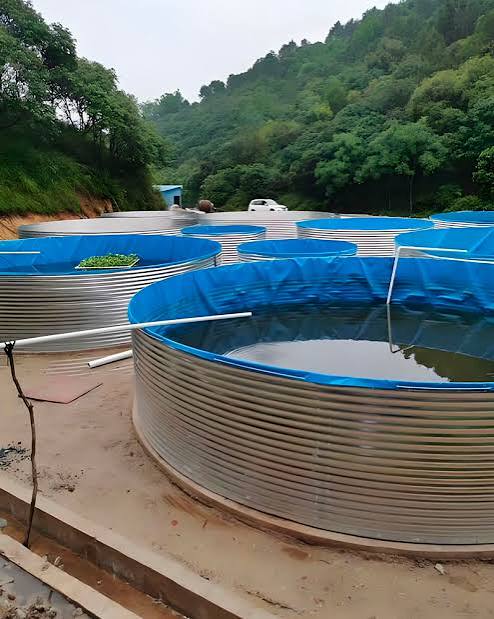
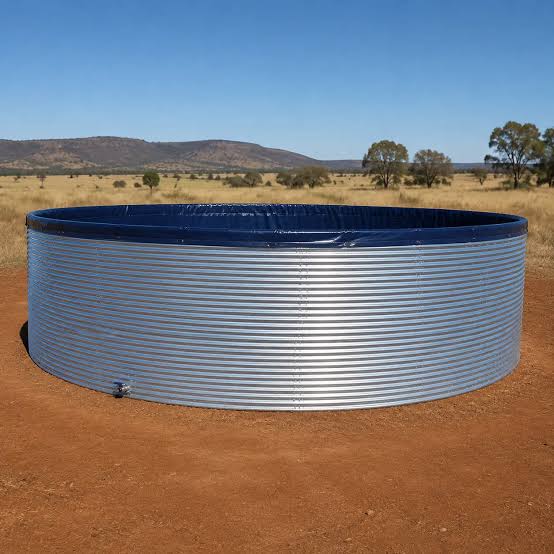
Plastic suits small, relocatable or rooftop needs. Concrete remains competitive for very large permanent or buried reservoirs where long construction time is acceptable. For the majority of farm and plantation irrigation tanks-capacities from tens to several thousand cubic metres, outdoor exposure, need for rapid deployment and relocatable or expandable design-corrugated galvanized steel combines competitive installed cost, multi-decade life and modest maintenance. Specifying the correct zinc grade for local humidity and confirming plate thickness for water height keeps performance aligned with the economics that matter most to agricultural buyers.
For project-specific material recommendations and quotations, request a quote.