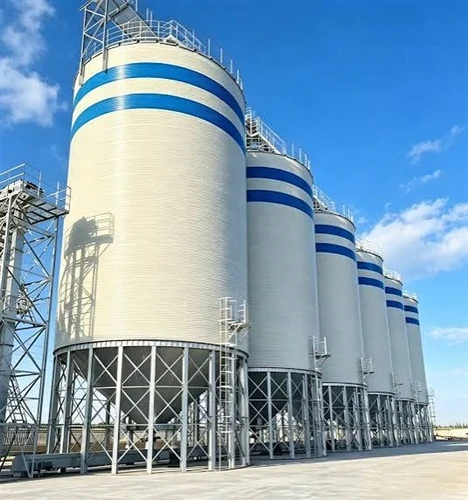
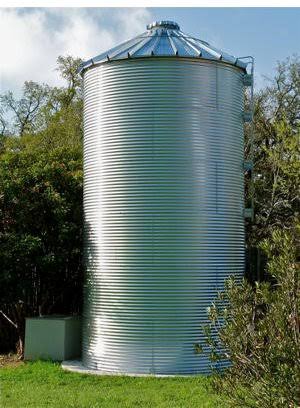
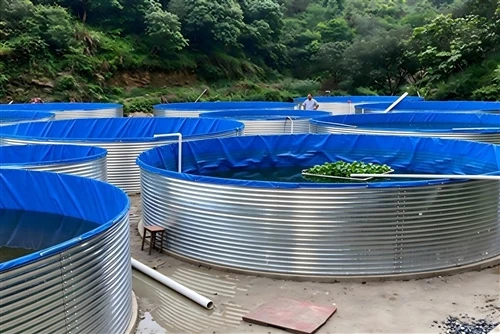
In commercial maize and rice storage across Vietnam's Mekong Delta, Nigeria's grain belts and Brazil's cerrado, the wall material of a modern silo must do three jobs at once: carry the weight of thousands of tonnes of grain, keep moisture and pests out, and resist decades of outdoor exposure. Galvanized corrugated steel sheets meet all three requirements in a single, factory-produced panel system that has become the standard for bolted silos in tropical and subtropical export markets.
Structural strength from the corrugated profile
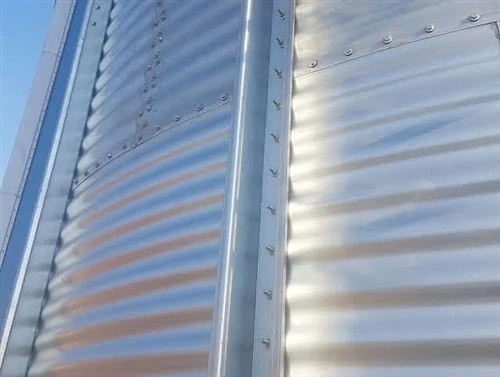
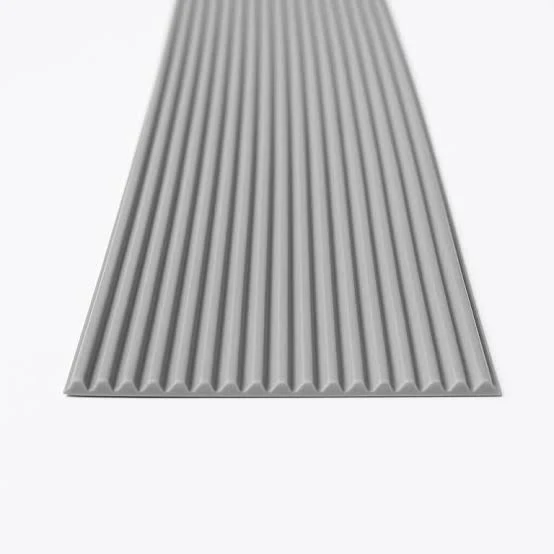
Grain exerts high lateral pressure that increases with depth. Continuous corrugation raises the section modulus of the steel sheet, delivering roughly 20–50 percent higher buckling resistance than flat panels of the same thickness (engineering guidance aligned with ASABE EP433.5 and similar standards). Typical wall thicknesses range from 1.0 mm to 4.0 mm, with thicker plates concentrated in the lower rings where hoop stress peaks. The same profile improves wind resistance-critical in typhoon-prone Southeast Asian coasts and open African plains-allowing the structure to meet design wind speeds without excessive stiffening. Field installations of 1,000- to 5,000-tonne silos routinely use this graded thickness approach to balance material cost against structural demand.
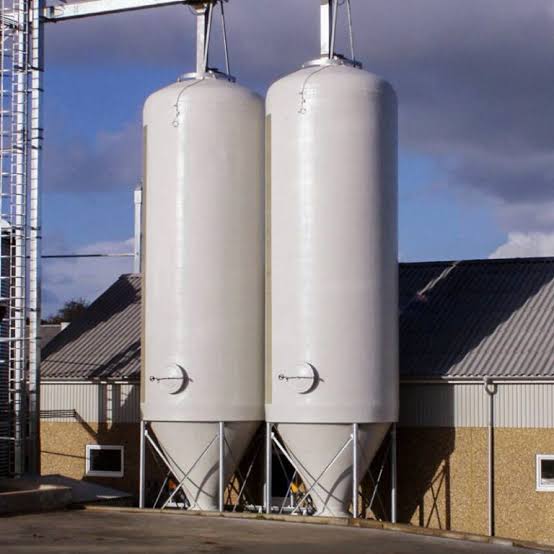
Sealing performance and grain quality
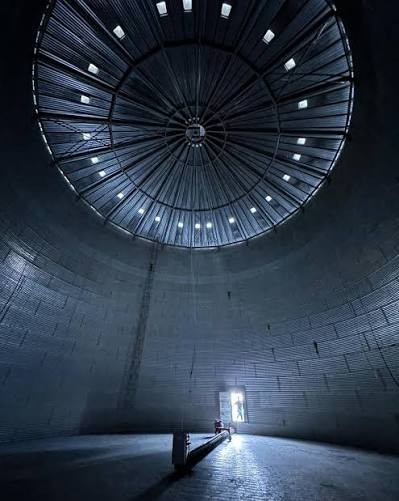
Bolted joints are fitted with polymer or aviation-grade rubber gaskets and non-drying sealant along seams. When correctly installed, the resulting envelope limits air and moisture exchange. Hermetic or near-hermetic conditions reduce condensation risk and help keep grain moisture stable once the crop is loaded below the safe threshold (typically ≤13.5 percent for maize). Trials and commercial records from tropical storage projects show that well-sealed metal silos can hold insect-damaged grain below 4 percent after six months, compared with 30–40 percent in conventional bag storage under the same humid conditions. The airtightness also supports effective fumigation when required, retaining gas concentrations long enough to kill all insect life stages.
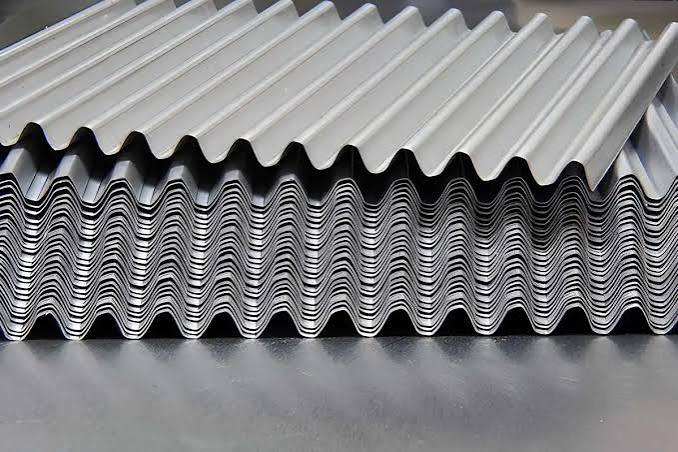
Corrosion protection for long service life
Hot-dip galvanizing supplies both barrier and sacrificial protection. Industry exposure data linked to ISO 14713 indicate that a Z275 coating typically provides 20–30 years of protection in inland agricultural settings. In continuous high-humidity or coastal zones-common across much of Southeast Asia, West Africa and northern Brazil-operators specify Z450 or Z600 to extend first major maintenance beyond 20–25 years and, under good detailing, support 25–40 years of service. Zinc continues to protect the base steel even if the surface is scratched during assembly, an important practical advantage on remote farm sites.
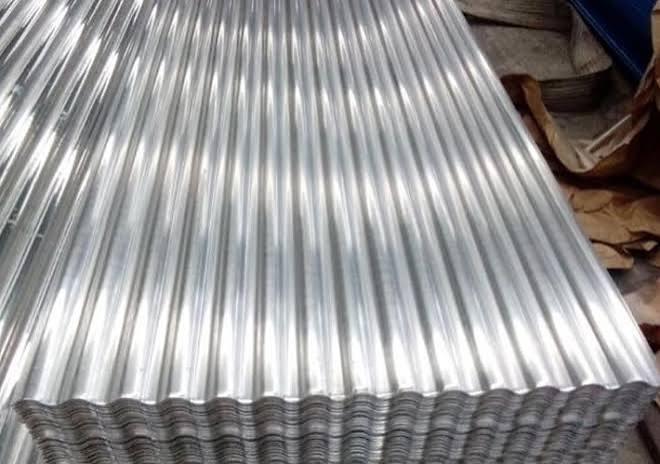
Combined effect on storage economics
When strength, sealing and corrosion resistance are delivered by the same panel system, overall post-harvest losses can fall from the traditional 15–20 percent range to under 5 percent in well-managed facilities. Construction is rapid-panels are bolted on site in days rather than weeks-and the structure remains low-maintenance for decades. For operators exporting to or operating inside tropical markets, galvanized corrugated steel sheets therefore function as the core material that simultaneously protects the grain and the investment that stores it.
For project-specific panel thickness and coating recommendations, request a quote.