Ask ten greenhouse suppliers which frame material is best for flowers, and you will hear ten confident answers. Most of them are selling something. We make galvanized steel, so read this guide knowing where we stand. We also watch steel behave, and sometimes fail, in greenhouses on three continents.
The short version: for a permanent flower greenhouse, hot-dip galvanized steel is usually the right call. A flower house is one of the harshest environments a frame can live in, and steel handles load, humidity, and budget better than the alternatives. Aluminum can match it where price is no object; PVC cannot.
Why Frame Material Matters More in a Flower Greenhouse
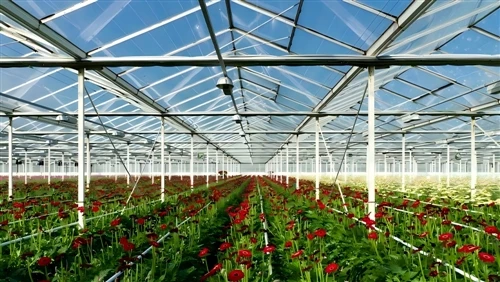
A vegetable house can get away with a light frame. A flower house cannot. Humidity stays high most of the day, because plants transpire and watering runs on a schedule. Water drips off trays and misters and settles on the steel. You also hang baskets, shade nets, and irrigation pipes from the structure. Every one of those is dead load.
Two things kill greenhouse frames: sagging under load, and rust that starts quietly at the joints. A frame that cannot carry what you hang on it becomes a safety issue; one that corrodes slowly becomes a replacement bill you never planned for. Material choice decides both, so an honest greenhouse frame material comparison starts with loads and corrosion, not the price list.
Four Materials Compared at a Glance
In practice, you will be offered four materials: galvanized steel, aluminum, PVC, and treated wood. The table below compares them on the criteria that decide whether a frame earns its keep.
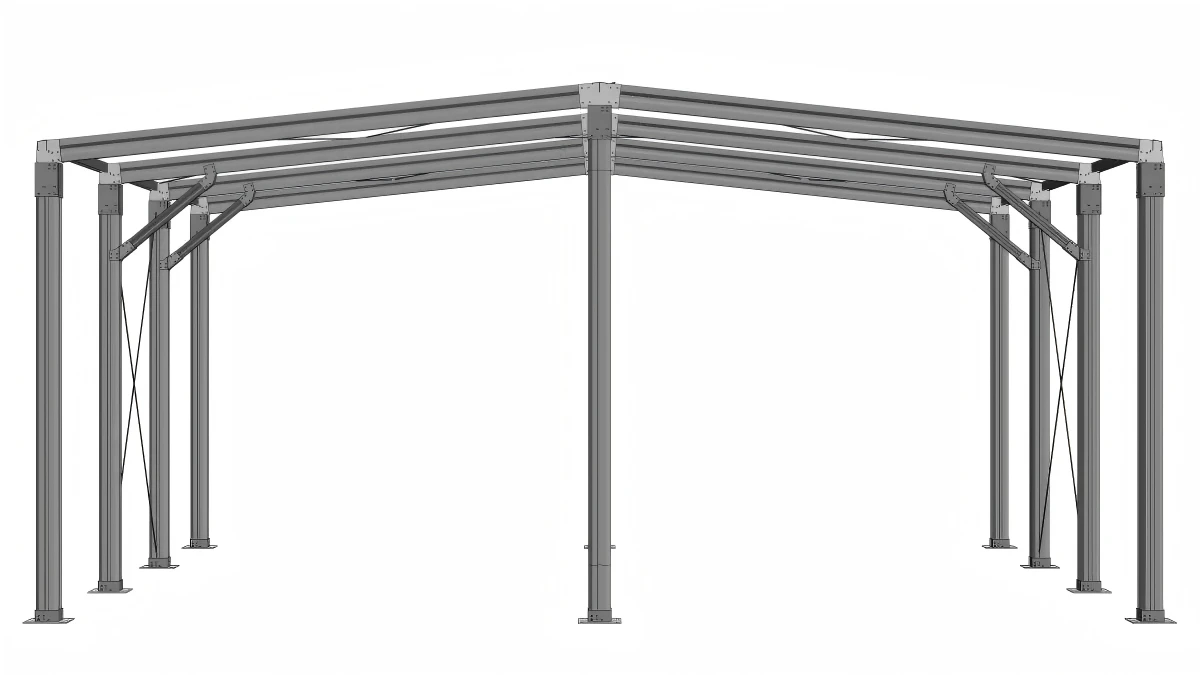
Table 1. Comparison of four greenhouse frame materials
|
Criterion |
Galvanized Steel |
Aluminum |
PVC |
Treated Wood |
|
Load capacity |
Highest |
High |
Low |
Medium |
|
Expected lifespan |
20–30+ years |
20–30 years |
5–10 years |
5–15 years |
|
Corrosion resistance |
Good, zinc dependent |
Excellent |
Excellent |
Poor in humidity |
|
Relative cost |
Medium |
High |
Low |
Low to medium |
|
Installation difficulty |
Medium |
Easy |
Easy |
Medium |
|
Wind and snow resistance |
Excellent |
Good |
Poor |
Fair |
|
Best suited to |
Permanent houses, nurseries |
Coastal sites, premium houses |
Temporary tunnels |
Short-term low-budget use |
Read the table column by column before you look at prices. Galvanized steel carries the most load for the money and, coated properly, lasts two to three decades. Aluminum is light and never rusts, but it costs more and dents under point loads. PVC is cheap and maintenance-free, yet low strength and ultraviolet degradation limit it to temporary structures. Treated wood is affordable in some regions, but humidity and insects shorten its life.
Galvanized Steel in Detail: Tubes, Wall Thickness, and Coating
Because we produce galvanized steel, we will spend a little more time here. Three specifications decide whether your frame lasts five years or twenty-five: profile, wall thickness, and zinc coating.
Tube Profile
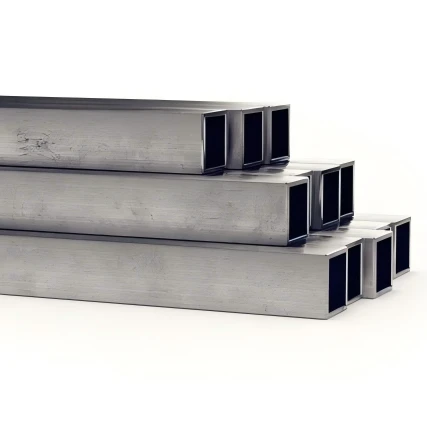
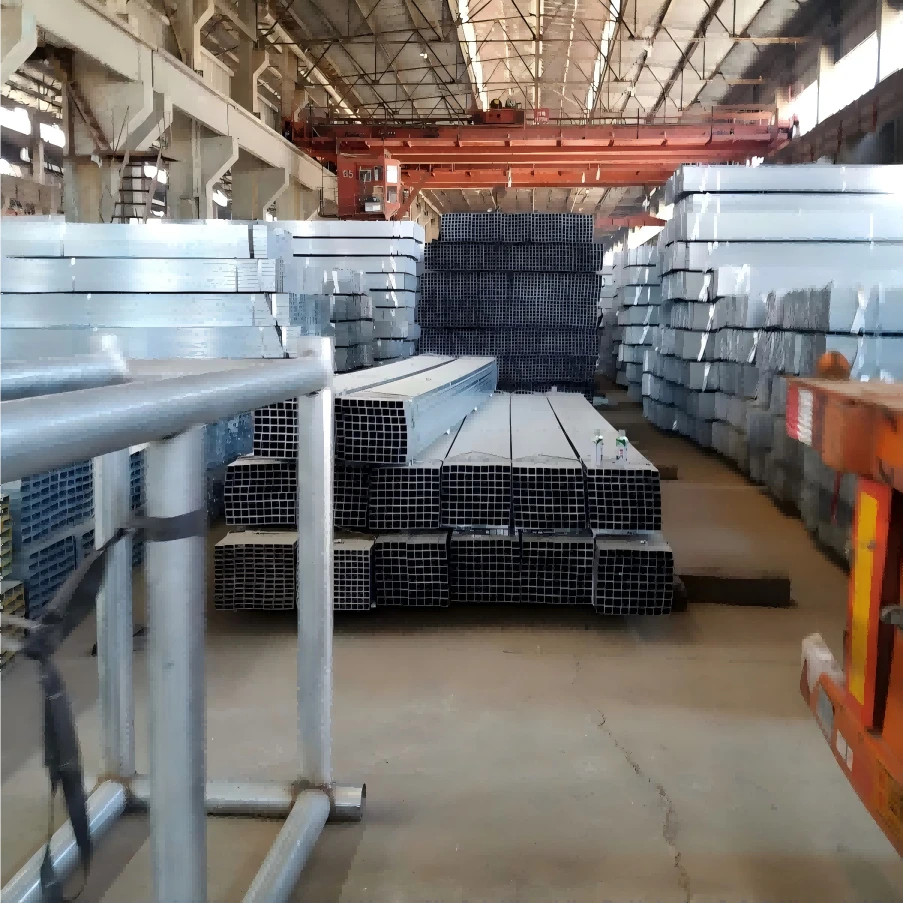
Round, square, and rectangular tubes do different jobs. Round tube distributes stress evenly and suits arched roofs. Square tube gives flat faces for drilling, joining, and clamping, simplifying brackets and corner fittings. Rectangular tube resists bending along its long axis, so it suits roof purlins, ridge beams, and gable frames. Most commercial houses we supply mix profiles: round for arches, rectangular for beams.
Wall Thickness
The market is full of tubes that look identical but weigh differently. A 2.0 mm wall and a 1.5 mm wall share the same outer size; the weight tells the truth. Greenhouse frames typically run 1.5 mm, 2.0 mm, or 2.5 mm wall thickness. For spans above eight metres, or where snow settles on the roof, do not go below 2.0 mm; 2.5 mm is safer. Wall thickness controls load capacity and dent resistance, and it is the first number trimmed when a price is cut.
Zinc Coating: The Decisive Factor
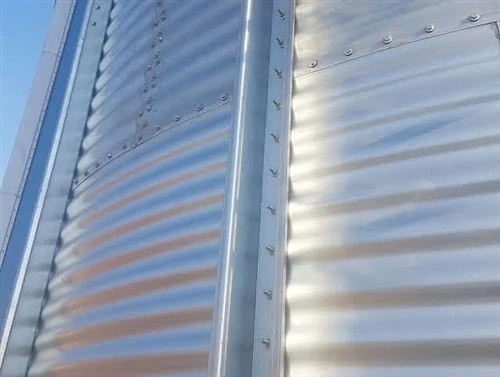
This is where cheap frames die. Hot-dip galvanizing, specified under ASTM A123/A123M or GB/T 13912-2020, bonds a thick zinc layer to the steel. At 275 g/m², that is roughly 20 µm per side; in coastal air we recommend 500–600 g/m². Electro-galvanizing looks similar in the showroom but deposits only 20–50 g/m². In a humid greenhouse, that thin layer is gone within a few seasons. Ask for the coating weight in g/m². If a supplier cannot answer, that is your answer.
Choosing by Budget and Use Scenario
Your site and budget should decide the material, not brand preference or habit.
Table 2. Recommended frame material by use scenario
|
Scenario |
Recommended choice |
Reason |
|
Commercial nursery, multi-span house |
Galvanized steel; 2.0 mm or thicker wall; hot-dip coating of 275 g/m² or more |
Longest service life and lowest lifecycle cost under constant load and humidity |
|
Home flower garden, mild climate |
Galvanized steel, or aluminum for light kits |
Steel delivers the best value; aluminum suits prefabricated small frames |
|
Coastal, high-humidity site |
Aluminum, or galvanized steel with a heavier coating of 500–600 g/m² |
Salt and moisture attack; both options resist them |
|
Temporary tunnel or seedling stage |
PVC |
Low cost, easy to relocate, no permanent loading |
Steel behaves differently by region, and we see this every time we ship. In Africa and Southeast Asia, termites hollow out untreated wood frames within a few years, and aluminum is reliable but pricey; galvanized steel offers the best balance of strength, corrosion resistance, and cost. In Central Asia, wind and snow drive the design, and steel's strength-to-cost ratio wins almost every time.
Common Mistakes That Shorten Frame Life
Most early failures we see are specification failures, not material failures. Five mistakes account for nearly all of them.
Thin-wall tubes sold on outer size. The tube looks identical, but the wall is thinner. Confirm the wall thickness in millimetres before you sign.
Electro-galvanized steel presented as hot-dip. Ask for the coating weight in g/m² and the standard applied, such as ASTM A123/A123M or GB/T 13912-2020.
Cut ends left bare. Cutting exposes raw steel at the end. Re-coat cut edges with zinc-rich paint; this small step is skipped too often.
Steel and aluminum in direct contact. Galvanic corrosion attacks the steel at the junction. Use isolating washers or compatible coated fasteners.
Corroded fasteners ignored. Bolts and clamps fail long before the frame. Use hot-dip galvanized or stainless steel hardware.
FAQ and a Supplier Checklist
Both can serve for 20 to 30 years when specified correctly. Steel offers more strength per unit of cost; aluminum resists corrosion with less maintenance. For a humid flower house, hot-dip galvanized steel provides the better balance of load capacity and value.
PVC is not strong enough. It suits small temporary tunnels and seedling shelters. For a permanent frame that carries baskets and irrigation lines, use steel or aluminum.
Hot-dip, for any outdoor frame. It follows ASTM A123/A123M or GB/T 13912-2020 and delivers a zinc layer that lasts for decades. Electro-galvanized coatings are too thin for greenhouse service.
When you request quotations, ask for the following in writing:
Wall thickness in millimetres and the steel grade
Zinc coating weight in g/m² and the galvanizing standard
Rated span, wind load, and snow load for the proposed profile
Conclusion
The material matters less than the specification, and the specification matters more than the brand. For a commercial nursery or a permanent flower house, hot-dip galvanized steel gives you the strongest combination of load capacity, corrosion resistance, and lifecycle value. For a small home garden in a mild climate, either works well. Verify the coating weight, check the wall thickness, and protect cut ends. Those three details separate a five-year frame from a twenty-five-year one.