Distinguishing Zinc Corrosion Products from Iron Oxide
Moisture, Restricted Oxygen, and Contact Geometry
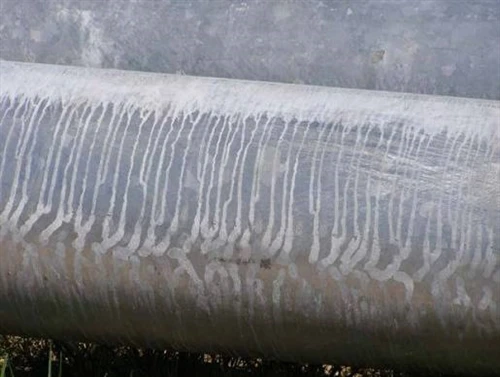
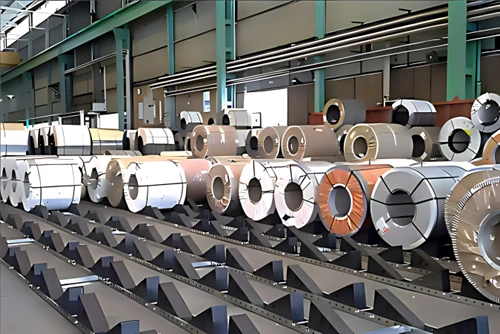
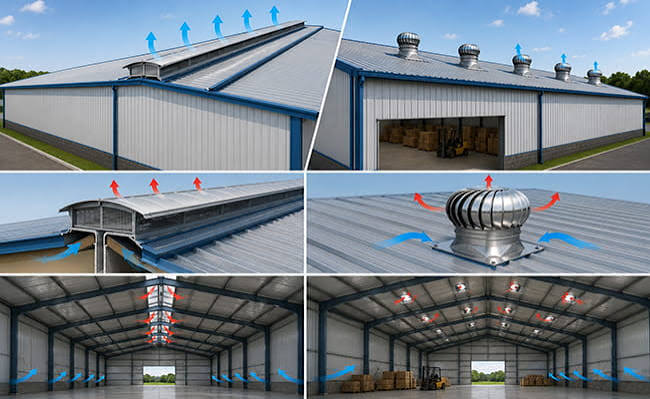
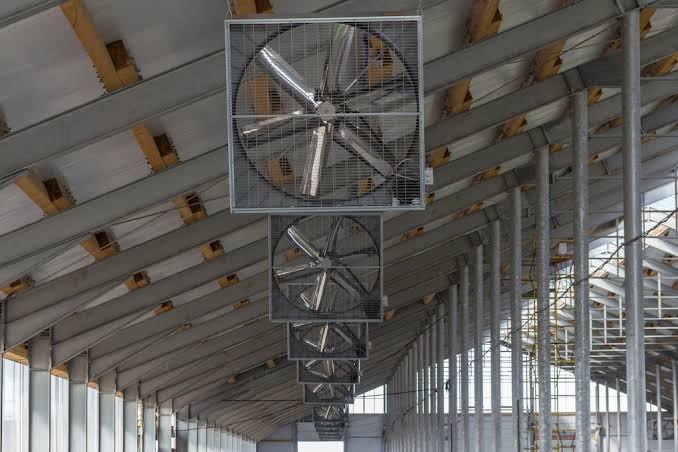
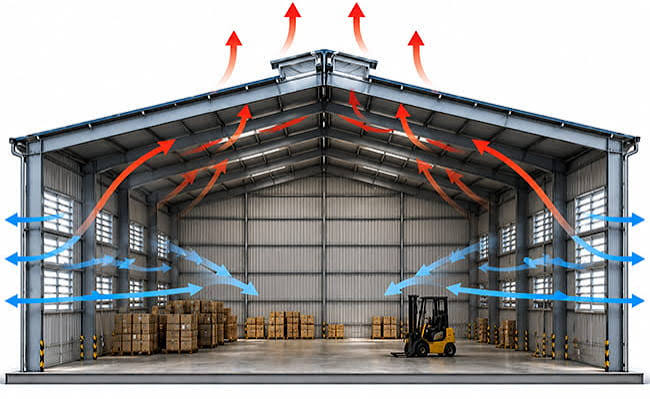
The reaction accelerates when three conditions coincide: liquid water or a persistent moisture film, limited oxygen and carbon dioxide replenishment, and tight contact between surfaces. Inside a coil, water can enter between laps through condensation when a warm coil is moved into a cooler, humid environment, or when residual moisture from processing remains trapped. Because the laps are pressed together, air exchange is minimal. Under these oxygen-deficient conditions a local galvanic cell develops; zinc dissolves at the anodic sites and precipitates as bulky hydroxide rather than converting into the compact, protective basic zinc carbonate patina that forms under open-air wet-dry cycling. The American Galvanizers Association and GalvInfo documentation both emphasize that the same moisture in freely ventilated conditions does not produce the same rapid accumulation. Coastal or subtropical storage yards-such as those in Taiwan, where multi-year atmospheric exposure programs have recorded high corrosivity for zinc-illustrate the effect: relative humidity frequently above 70–80 % combined with temperature swings readily generates condensation inside tightly wound coils or sealed containers. Industry guidance commonly recommends keeping warehouse relative humidity at or below 60 % and ensuring air movement precisely to interrupt this sequence.
Why Recently Produced Coils Are More Susceptible
A newly galvanized surface has not yet developed the thin, adherent zinc-carbonate film that stabilizes over weeks of normal atmospheric exposure. Until that passive layer matures, the zinc remains chemically more reactive. GalvInfo notes and AGA publications state that storage staining is far more common on freshly coated material held wet in contact than on material that has already weathered outdoors. In practice, the highest-risk window is the interval between leaving the coating line and final installation-especially when coils travel in sealed containers or sit in poorly ventilated warehouses during high-humidity seasons. Once free airflow and drying cycles resume, residual zinc hydroxide can gradually convert toward the more stable carbonate form, which is why light deposits often become less conspicuous after proper storage or outdoor exposure.
Appearance and Subsequent Processing Implications
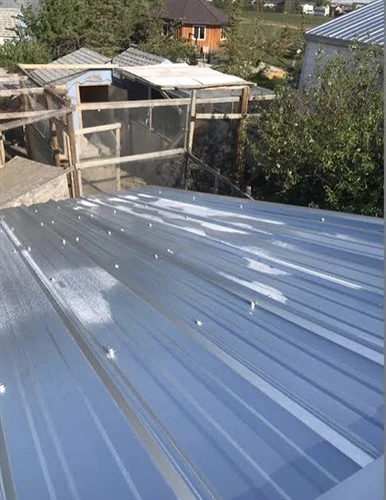
Light to moderate white deposits are primarily a surface phenomenon. The American Galvanizers Association states that light and medium wet storage stain do not require removal for the coating to perform its protective function and do not meaningfully reduce expected service life once the material is placed in normal atmospheric service. Heavier accumulations, however, can consume measurable zinc thickness, leave a rough or stained appearance, and interfere with subsequent painting or coating adhesion if not cleaned. When the deposit has progressed far enough that iron is exposed and red rust appears, the issue has moved beyond a storage artifact into actual coating failure.
| Aspect | White / Wet Storage Deposit | Red Rust |
|---|---|---|
| Main constituents | Zinc oxide, zinc hydroxide, basic zinc carbonates | Iron oxides |
| Appearance | White to light-gray powder or bulky film | Red-brown scale |
| Typical conditions | Trapped moisture + limited airflow + contact | Zinc layer consumed, steel exposed |
| Usual severity | Mostly surface; often cosmetic | Indicates coating breach; more serious |
Buyers who open a coil and see white film can therefore treat the observation as evidence of storage or transit conditions rather than an inherent production defect, provided red rust is absent and coating thickness remains within specification. For further technical notes on identification, cleaning methods, and recommended storage practices, refer to the technical resources section of this site. If you need assistance evaluating a specific coil, contact us.