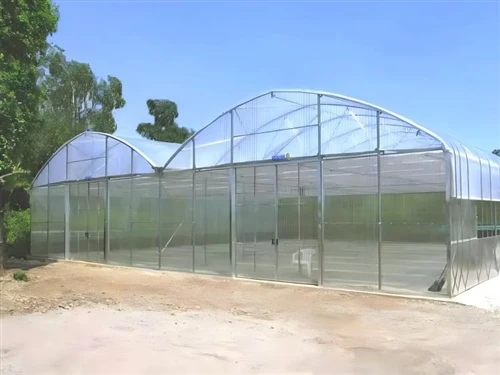
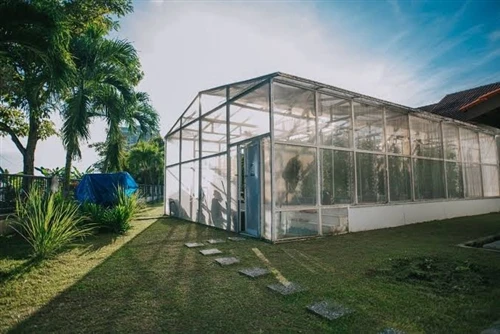
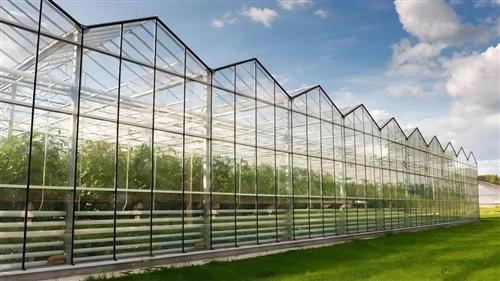
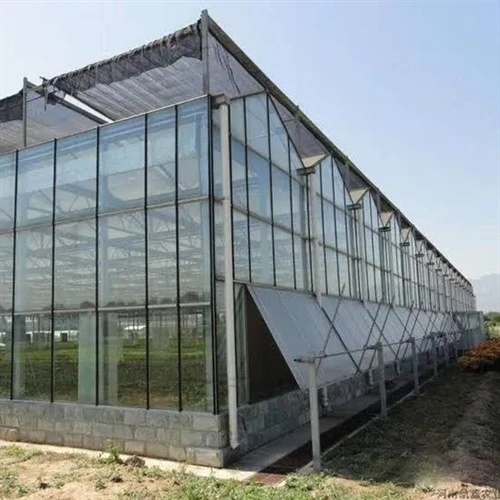
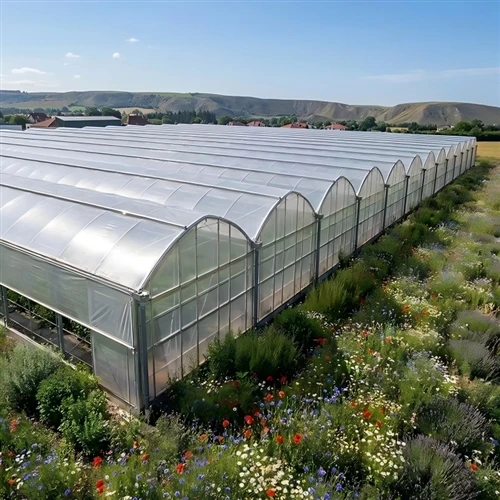
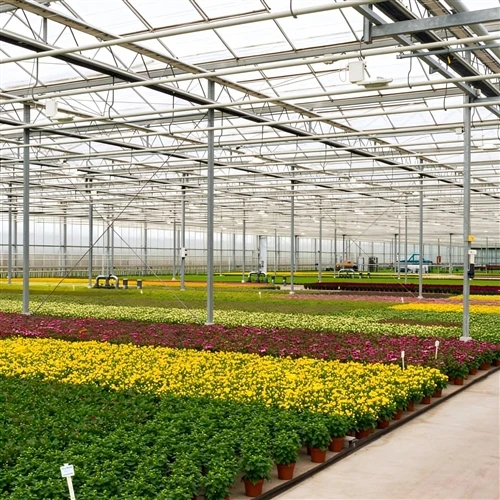
In a commercial flower nursery near Kunming, Yunnan, operators rebuilt a multi-span greenhouse in 2019 using matching hot-dip galvanized frames and corrugated cladding. Five years later, inspection showed uniform zinc retention on both structural tubes and wall panels despite year-round humidity above 75 percent and frequent fertilizer misting. Comparable results appear in highland Kenya and coastal Malaysian flower farms, where mismatched systems-thick frames with thin cladding, or vice versa-developed localized rust at joints within three seasons.
A greenhouse envelope succeeds only when the load-bearing frame and the cladding share the same corrosion-protection strategy. Hot-dip galvanizing creates a metallurgical bond that works as both barrier and sacrificial anode. Industry data linked to ISO 14713 and American Galvanizers Association exposure tests place average zinc loss at roughly 0.5 µm per year in clean rural air; inside a humid greenhouse the rate rises to 1–2 µm per year once condensation and agrochemicals are present. When both frame (typically 1.5–3.0 mm tube) and corrugated sheet (0.4–0.8 mm) carry coatings in the Z275 range or higher, the entire assembly moves together toward a common service life of 20–30 years inland and 25-plus years with upgraded zinc in coastal or high-input sites.
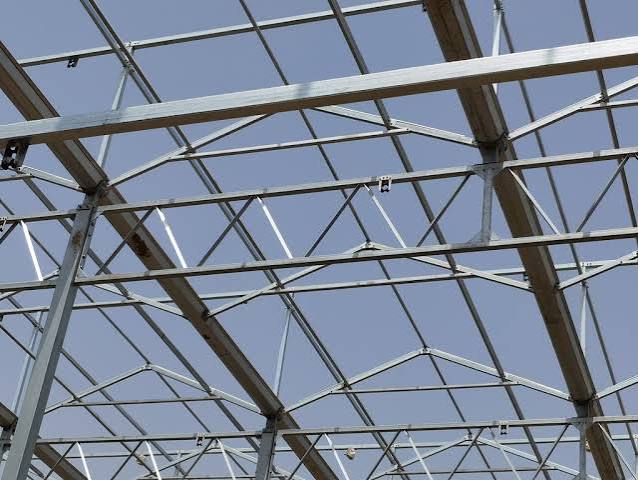
Matching is practical as well as chemical. Corrugated cladding gains stiffness from its profile, allowing lighter gauges that reduce total dead load on the frame. Fabricators in Shandong and Yunnan report that a coordinated system-pre-punched purlins and panels cut to the same zinc specification-cuts on-site assembly time by 30–40 percent compared with mixed materials. A small crew can erect the frame and hang the lower side walls and roof cladding in days rather than weeks, because fasteners and edge details are designed for the same coating thickness and hardness. Drainage improves as well: the corrugations shed water while the continuous zinc layer protects cut edges and bolt holes that would otherwise become early failure points.
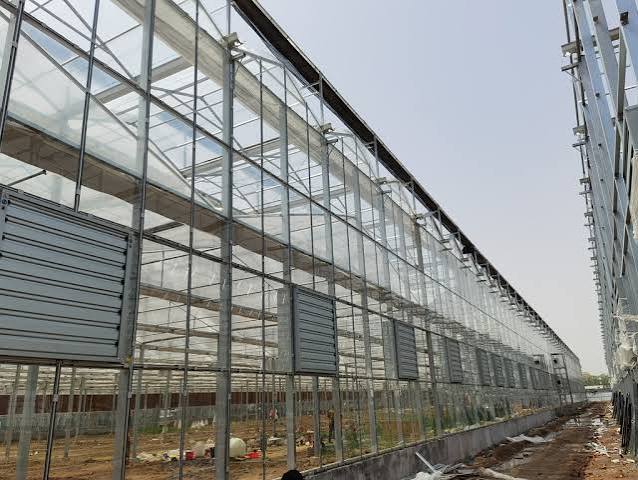
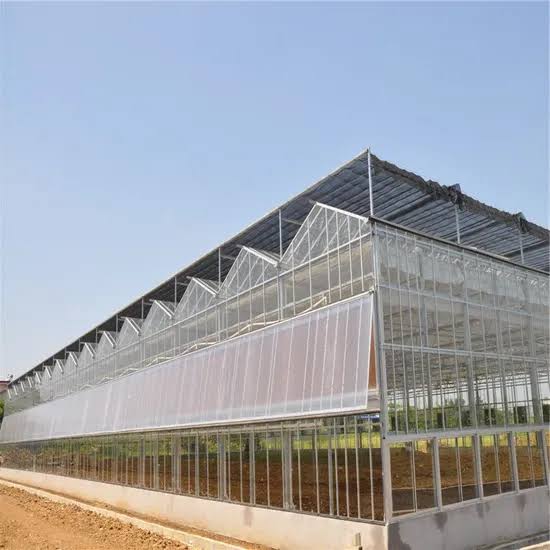
Field records from East African and Southeast Asian projects confirm the economics. Growers who specified identical hot-dip zinc mass on frame and cladding recorded first major maintenance intervals beyond 20 years, while mixed systems required joint repairs or panel replacement within a decade. The higher initial coordination cost is recovered through reduced downtime and the elimination of annual rust treatment. In humid tropical flower production, where internal humidity and external rain create continuous wet-dry cycles, a single, matched galvanized system becomes the most reliable path to long-term structural integrity and operational efficiency.
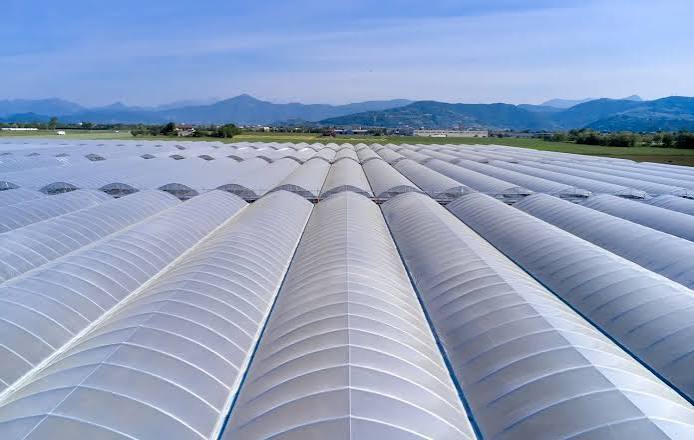
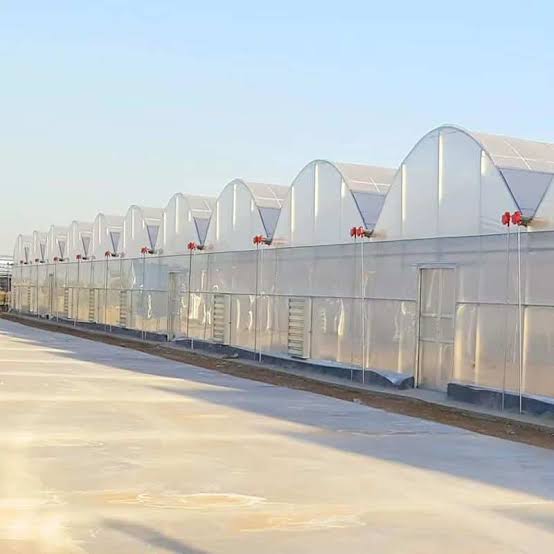
When cut edges are sealed, compatible fasteners are used, and base details allow free drainage, the frame-plus-cladding combination functions as one weather-resistant envelope rather than two separate components that age at different rates.
 English
- English
- 简体中文
- Français
- Deutsch
- 日本語
- Italiano
- Español
- Português
- русский
- bosanski
- magyar
- Català
- Čeština
- íslenska
- România limbi
- slovenčina
- Svenska
- فارسی
- Български
- Lietuvių
- Việt Nam
- Indonesia
- українська
- Gaeilgenah Éireann
- 한국어
- dansk
- Srbija jezik (latinica)
- ไทย
- Cymraeg
- O'zbek
- Melayu
- عربي
- বাংলা
- Malti
- Türkçe
- اردو
- slovenščina
- Ελληνικά
- עברית
- Polski
- हिंदी
- Nederlands
- hrvatski
- Kreyòl Ayisyen
- suomi
- Eesti
- Norsk
- Latviešu
- Bai Miaowen