China's Food Security Law, effective June 2024, and the National Food and Strategic Reserves Administration's expansion of standard warehouse capacity beyond 700 million tonnes by end-2023 have intensified demand for rapid, reliable grain storage. Parallel pressures appear in sub-Saharan Africa, where the FAO–World Bank report Missing Food (2011) valued annual post-harvest grain losses at roughly $4 billion, enough to feed 48 million people. In both settings, corrugated hot-dip galvanized steel silos consistently show lower full life-cycle costs than cast-in-place concrete for medium-capacity projects (roughly 500–20,000 tonnes).
Assembly Speed and Relocatability
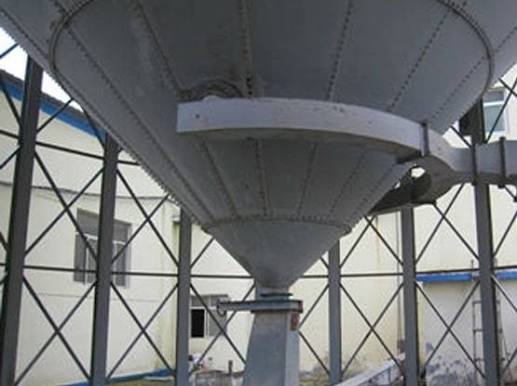
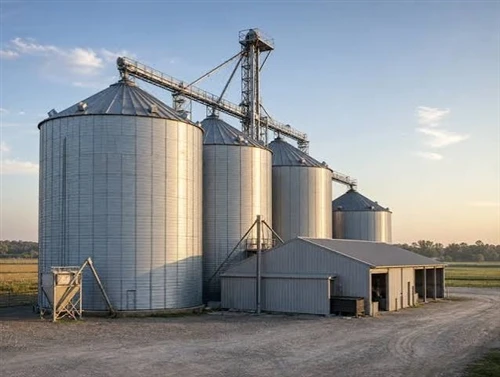
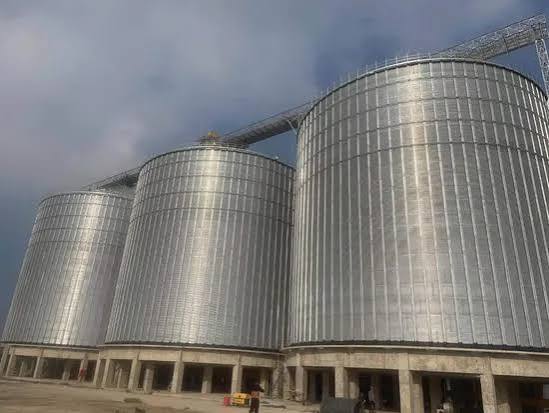
A 1,000–5,000-tonne corrugated steel silo is typically assembled on a light foundation in 2–8 weeks by a crew of 5–8 workers once panels arrive; concrete of comparable volume commonly requires 6–18 months of formwork, pouring, and curing, with larger crews and greater weather exposure (industry comparative data compiled by manufacturers such as Coban and documented in Sino-Galvanized field summaries). Because the steel system is bolted rather than monolithic, panels can be disassembled, relocated, or expanded. In emergency reserve deployments or temporary sites in northern Nigeria or the Mekong Delta, this mobility avoids the permanent land commitment of concrete and allows capacity to follow shifting production or disaster-response needs.
Sealing Performance and Post-Harvest Protection
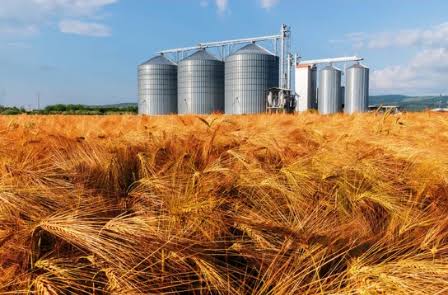
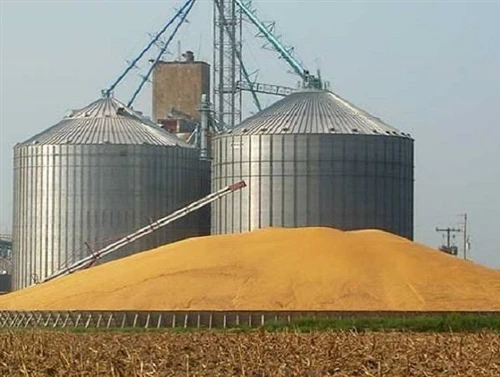
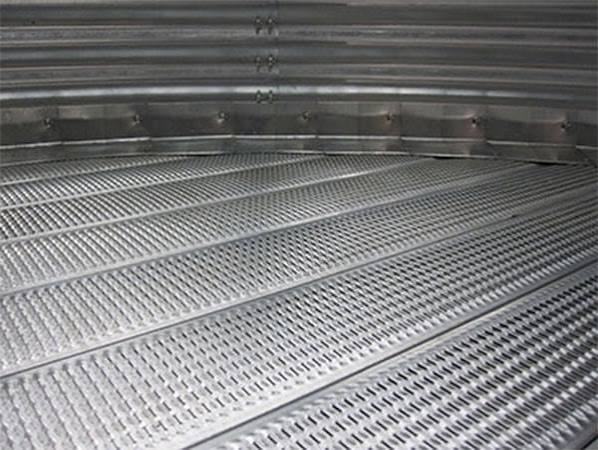
FAO-promoted household metal silos (galvanized sheet, hermetically sealed) have repeatedly demonstrated near-zero quantitative losses over multi-month storage in tropical and semi-arid trials, versus 10–30 % losses in traditional structures from insects and moisture (FAO technical manuals and CIMMYT/SDC evaluations across Africa, Asia, and Latin America). Corrugated industrial silos inherit the same non-porous barrier. When paired with aeration, moisture can be held at or below 13 %, limiting mold; concrete walls, by contrast, develop thermal and settlement cracks that admit pests and require repeated sealing. Field records from Mississippi River corridor facilities and Mediterranean coastal depots show steel surfaces needing only routine bolt and seal checks, while cracked concrete walls demand more frequent intervention.
Corrosion Resistance and Maintenance Intervals

Quantified Life-Cycle Cost Differential
For a 1,000-tonne installation, material plus erection costs for galvanized steel commonly fall in the $28,000–40,000 range versus $50,000–65,000 or higher for concrete, driven by lighter foundations, shorter schedules, and lower labor (aggregated from 2025–2026 manufacturer comparative tables and a 2019 structural cost study of silo support frames). A 10,000-tonne complex is cited at $300,000–700,000 (steel) against $900,000–1,500,000 (concrete). When 20-year maintenance, relocation option value, and reduced grain loss are added, total ownership cost for steel is routinely 30–50 % lower for the capacity ranges prioritized by reserve authorities and export projects. Service life of properly coated steel is 25–40 years; concrete may reach 40–60 years but only with continuous repair outlays.
Relevance to Emergency Reserves and Developing-Country Exports
Speed of erection and disassembly align with emergency buffer stocks that must be online before harvest peaks or after weather shocks. Export packages to Kenya, Ethiopia, Vietnam, or the Philippines benefit from containerized modular panels that can be erected by local crews after brief training, matching the FAO household-silo model scaled to commercial sizes. Lower civil-works intensity also suits sites with variable soil bearing capacity common in many developing regions.
Under current food-security policies that emphasize both absolute staple self-sufficiency and reduced post-harvest waste, the combination of rapid deployment, relocatable modularity, tight sealing, and modest long-term maintenance makes corrugated galvanized steel silos the lower life-cycle-cost choice for the majority of medium-scale reserve and export projects.