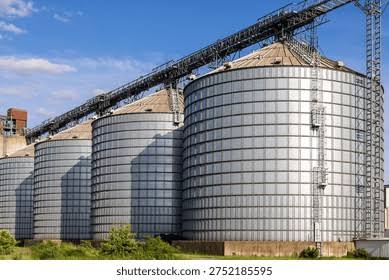
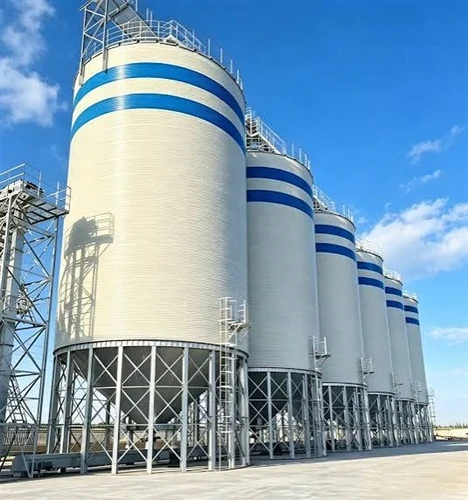
In Vietnam's Mekong Delta and along Nigeria's coastal maize belts, relative humidity often stays above 75–80 percent for months. Daily temperature swings create condensation on silo walls, grain dust traps moisture against the metal, and any nearby salt air multiplies the attack. Operators who installed standard thin-coated corrugated panels have watched red rust appear in three to five years. Field reports from East and Southern Africa describe the same pattern: persistent wetting shortens zinc life sharply unless the coating matches the climate.
Zinc protects steel both as a barrier and as a sacrificial anode. In clean, dry air it forms a stable carbonate film. In tropical conditions the surface stays wet far longer, so the zinc is consumed faster. Independent exposure data linked to ISO 14713 and American Galvanizers Association tests show average zinc loss of roughly 0.5 µm per year in clean rural atmospheres. In continuous high humidity or coastal salt spray the rate multiplies. A 100 µm coating that might last about 20 years in a clean marine setting can lose half that service life under polluted or continuously humid conditions. Once the zinc is gone, the base steel corrodes rapidly, threatening both structural integrity and grain hygiene.
Thicker hot-dip coatings change the arithmetic. Z275 (275 g/m² total, approximately 19 µm per side) remains adequate for dry inland farms and typically delivers 20–30 years. For high-rainfall or consistently humid inland depots-much of Southeast Asia's rice and maize belt, inland West Africa, or Brazil's rainy cerrado zones-silo builders routinely specify Z450 (≈31.5 µm per side). Coastal terminals or sites within a few kilometres of the sea (West African ports, northern Brazil, Indonesian and Philippine terminals) commonly move to Z600 (≈42 µm per side) or higher. These figures come from comparative tables used by fabricators working across the export markets of Southeast Asia, Africa and South America; they assume proper detailing of seams, bolts and cut edges.
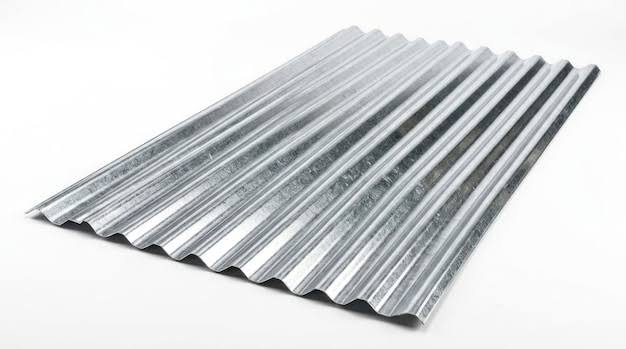
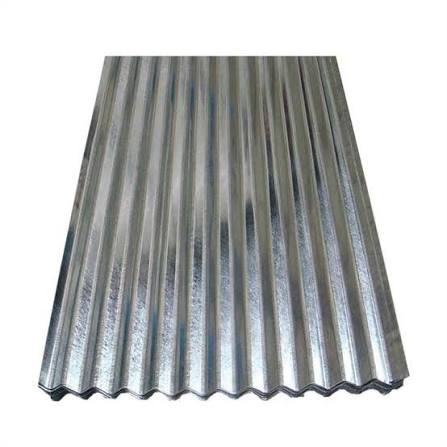
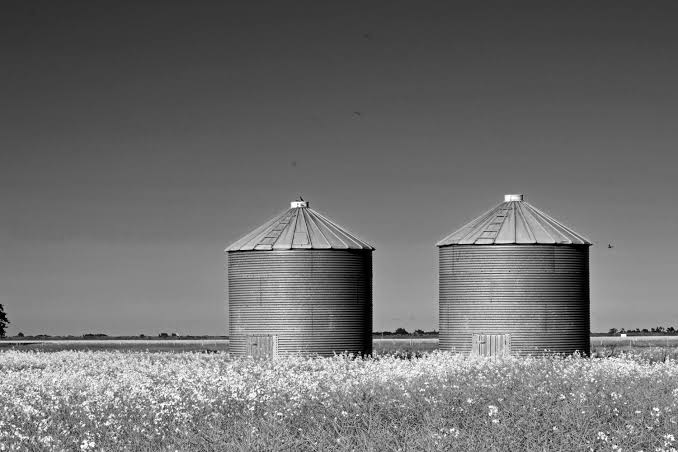
Project records from Nigeria, Ethiopia, Vietnam and the Philippines show that correctly specified corrugated panels with these heavier coatings routinely reach 25-plus years of service, and under good ventilation and detailing can support 25–40 years. The higher initial cost is offset by far lower maintenance. Thin coatings often require early plate replacement or major anti-corrosion work within a decade, while thicker zinc keeps first major interventions beyond two decades. For buyers shipping to or operating inside these humid tropical regions, the decisive factor is not the lowest plate price but coating mass matched to local humidity and salt load. Underspecifying either base-metal thickness or zinc weight almost always reverses the economics once repair, downtime and grain-quality losses are counted.
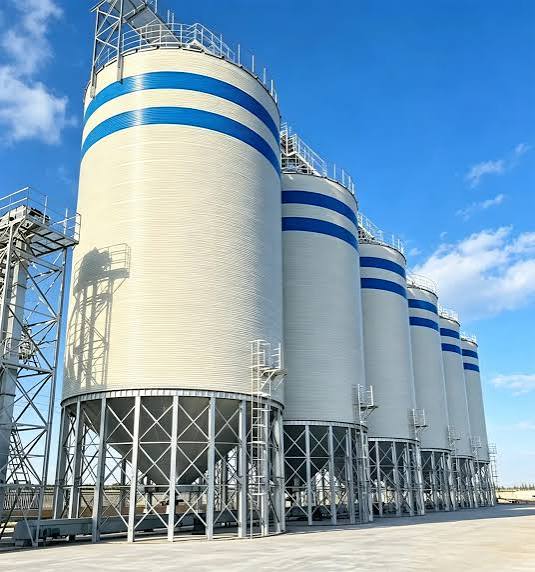
Corrugation itself helps by shedding water and reducing standing moisture, yet it cannot compensate for an inadequate zinc reserve. Regular inspection after grain loading remains cheap insurance; small bare spots can be touched up before red rust spreads. When the coating is chosen for the actual micro-climate rather than a generic "galvanized" label, corrugated steel silos deliver the long, low-maintenance service life that tropical operators need.
 English
- English
- 简体中文
- Français
- Deutsch
- 日本語
- Italiano
- Español
- Português
- русский
- bosanski
- magyar
- Català
- Čeština
- íslenska
- România limbi
- slovenčina
- Svenska
- فارسی
- Български
- Lietuvių
- Việt Nam
- Indonesia
- українська
- Gaeilgenah Éireann
- 한국어
- dansk
- Srbija jezik (latinica)
- ไทย
- Cymraeg
- O'zbek
- Melayu
- عربي
- বাংলা
- Malti
- Türkçe
- اردو
- slovenščina
- Ελληνικά
- עברית
- Polski
- हिंदी
- Nederlands
- hrvatski
- Kreyòl Ayisyen
- suomi
- Eesti
- Norsk
- Latviešu
- Bai Miaowen